Moving from a selfish practice to practice for all

Collapse
X
 
  • Time
  • Show
Clear All
new posts

  • A.J.
    replied
    Originally posted by nknibbs
    Hopefully, you are not responding in this way because you are feeling attacked. If you are, I am sorry and I meant no harm in the statement you are replying to. And with respect to that statement I believe you have read too much into it. You mention the idea of the encounter. When Buddha twirled a flower in front of his followers and only Mahakasyapa smiled, Buddha named him as his dharma successor. He did so not because this man grasped the intellectual intricacies better than the others. He reacted authentically to the reality of the situation with embodied wisdom. There was no duality, there was oneness, clarity.

    Furthermore, Buddhism is largely about conduct. To embody the philosophy. To react authentically and with compassion to the world around us.

    I acknowledge the use of philosophy and enjoy studying Buddhism from that angle but I don’t get bogged down by it. I appreciate your steadfast devotion to the intellect and to practice, my friend. I leave you to your thoughts.

    Gassho,
    Nick
    Sat
    Never felt attacked at any point. Just stating my opinion on Buddhist anti-intellectualism point-blank. And keeping to three sentences.

    Gassho,

    Andrew,

    Satlah

    Leave a comment:


  • nknibbs
    replied
    Originally posted by A.J.
    Ironically, this sounds like a radical form of dualism to me. Also, this kind of thinking is no better than the anti-intellectual ignorance of a fundamentalist Christian.

    Gassho,

    Andrew,

    Satlah
    Hopefully, you are not responding in this way because you are feeling attacked. If you are, I am sorry and I meant no harm in the statement you are replying to. And with respect to that statement I believe you have read too much into it. You mention the idea of the encounter. When Buddha twirled a flower in front of his followers and only Mahakasyapa smiled, Buddha named him as his dharma successor. He did so not because this man grasped the intellectual intricacies better than the others. He reacted authentically to the reality of the situation with embodied wisdom. There was no duality, there was oneness, clarity.

    Furthermore, Buddhism is largely about conduct. To embody the philosophy. To react authentically and with compassion to the world around us.

    I acknowledge the use of philosophy and enjoy studying Buddhism from that angle but I don’t get bogged down by it. I appreciate your steadfast devotion to the intellect and to practice, my friend. I leave you to your thoughts.

    Gassho,
    Nick
    Sat

    Leave a comment:


  • A.J.
    replied
    I even think there is more value in discussing differences than similarities. When there is a difference in thought or feeling it provokes encounter and whether you feel disgruntled by it or not is your choice. If all that is happening is everyone is echoing everyone else then you may just as easily be talking with yourself- I prefer to encounter.

    Gassho,

    Andrew,

    Satlah

    Leave a comment:


  • A.J.
    replied
    Originally posted by nknibbs
    Well said. The deeper you go into the philosophy, the further you can find yourself from practice (though not always of course).

    Gassho,
    Nick

    Sat
    Ironically, this sounds like a radical form of dualism to me. Also, this kind of thinking is no better than the anti-intellectual ignorance of a fundamentalist Christian.

    Gassho,

    Andrew,

    Satlah

    Leave a comment:


  • A.J.
    replied
    Originally posted by jakeb
    I think there is more life without exchange in dialogue than the other way around. Buddhism means walking the path of enlightenment and I don’t think that can be equated with endless debating and bickering and forming of opinions and concepts although discussions and exchanges of ideas certainly has its place. Shikantaza is not really meditation practice since we don’t spend the time we’re sitting neither pondering ideas and concepts, nor visualizing things with the goal of achieving something.

    SatToday
    That's fine, but I happen to disagree and consider that a spiritual form of cop-out that isn't quite healthy in it's own way.
    Also, there are different forms of meditation and some forms are more formless than others, but they are still basically meditation.

    Gassho,

    Andrew,

    Satlah
    Last edited by A.J.; 08-21-2020, 04:24 AM.

    Leave a comment:


  • Amelia
    replied
    Originally posted by Jundo
    I am very interested in this research that has been ongoing for a few years now, and it seems that psilocybin experiences in a clinical setting have been shown to have very positive effects on the mental health of those with terminal diseases. I am not opposed to such uses at all. Here is one example:

    Johns Hopkins Study of Psilocybin in Cancer Patient


    For point of reference and self-disclosure, I experimented "back in the 70's" with a bit of this and that, although never to the point that it took over my life or seemed to cause me any harm. I value the experiences, which were lessons on the power of the mind. I am not opposed to some experimentation at certain points in life. But, as you say, that is not Zen practice, which is also "mind eye opening," but also totally down to earth and ordinary in our day to day living. We do not need any mind altering substances apart from Zazen and our practice.

    And speaking of the harmful effects of drugs and alcohol ... Trungpa is a case study. I think that he was a sociopath and narcissist (all while teaching lessons on "non-ego"), in addition to being a sex and drug addict. He had some brilliant insights, and he was charismatic, but his behavior did not match the words. His successors in that organization, right down to current times, have exhibited like behavior. I risk violating the Precept on not criticizing other Buddhists in their failings, but I mean to do so as a lesson on what can go wrong in a Buddhist group. The following is worth reading:
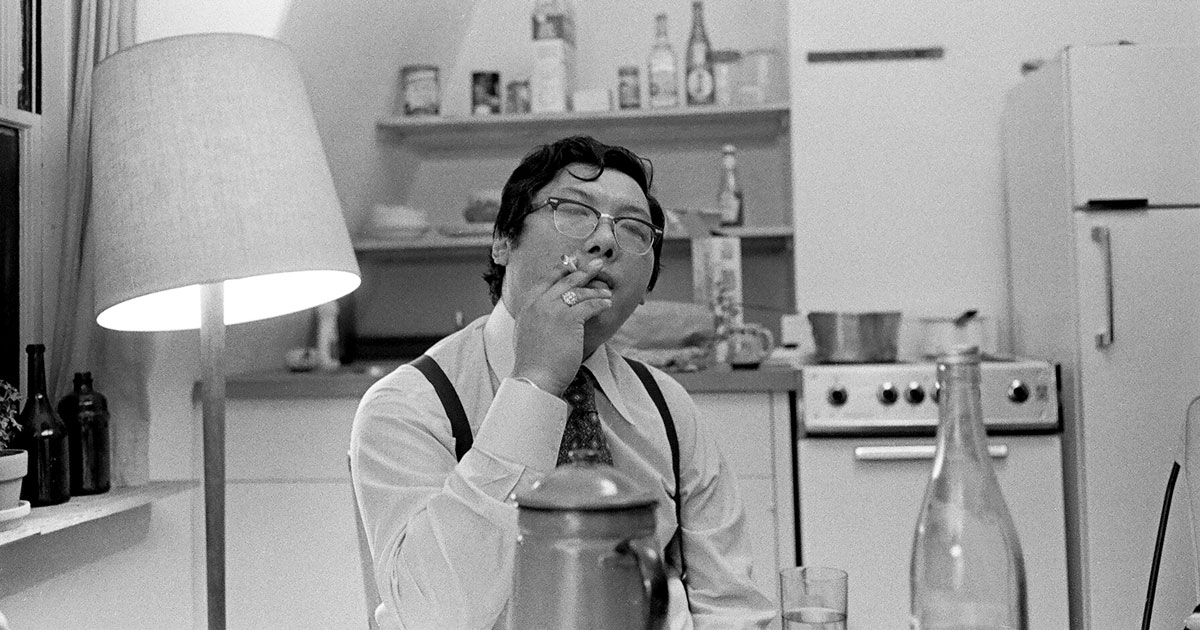
    Following the recent allegations at Shambhala International, we look back at the troubling legacy of its first two heads.


    Gassho, J

    STLah
    I can personally attest to the benefits of a supplement of very small, unnoticeable doses of psilocybin, but I do not recommend anybody doing anything illegal, or for the sake of "enlightenment." I can only hope that when good medicine is discovered, it is used to help people that need it, whatever the societal or religious norms dictate.

    Gassho
    Sat today, lah

    Leave a comment:


  • nknibbs
    replied
    Originally posted by jakeb
    I think there is more life without exchange in dialogue than the other way around. Buddhism means walking the path of enlightenment and I don’t think that can be equated with endless debating and bickering and forming of opinions and concepts although discussions and exchanges of ideas certainly has its place. Shikantaza is not really meditation practice since we don’t spend the time we’re sitting neither pondering ideas and concepts, nor visualizing things with the goal of achieving something.

    SatToday
    Well said. The deeper you go into the philosophy, the further you can find yourself from practice (though not always of course).

    Gassho,
    Nick

    Sat

    Leave a comment:


  • Bion
    replied
    Originally posted by A.J.
    Nevertheless if that was all of life there would be no exchange in dialogue, be it discussion of differences in thought or otherwise. Buddhism shouldn't be a just-sit echo chamber just because just-sitting is the meditation practice.

    Gassho,

    Andrew,

    Satlah
    I think there is more life without exchange in dialogue than the other way around. Buddhism means walking the path of enlightenment and I don’t think that can be equated with endless debating and bickering and forming of opinions and concepts although discussions and exchanges of ideas certainly has its place. Shikantaza is not really meditation practice since we don’t spend the time we’re sitting neither pondering ideas and concepts, nor visualizing things with the goal of achieving something.

    SatToday

    Leave a comment:


  • A.J.
    replied
    Originally posted by jakeb
    Funny how that is the hardest part to do for so many of us... just let mind drop off, body drop off and sit. There is no debate in sitting, no winning an argument, no showing off of knowledge, no merit, no wisdom or foolishness. What do they call it?! Good for nothing [emoji1]

    SatToday lah
    Nevertheless if that was all of life there would be no exchange in dialogue, be it discussion of differences in thought or otherwise. Buddhism shouldn't be a just-sit echo chamber just because just-sitting is the meditation practice.

    Gassho,

    Andrew,

    Satlah

    Leave a comment:


  • A.J.
    replied
    Originally posted by Jundo
    mundane profound profound mundane ...

    Now, just put all that stuff down and simply sit Zazen.

    Gassho, J

    STLah
    Having a regular practice of sitting that's pretty much what happens. Nevertheless there are many facets of life to be interested in which I happily allow. I enjoy poetry and therefore I enjoy the communication of insights through words.

    Gassho,

    Andrew,

    Satlah

    Leave a comment:


  • Bion
    replied
    Originally posted by Jundo
    mundane profound profound mundane ...

    Now, just put all that stuff down and simply sit Zazen.

    Gassho, J

    STLah
    Funny how that is the hardest part to do for so many of us... just let mind drop off, body drop off and sit. There is no debate in sitting, no winning an argument, no showing off of knowledge, no merit, no wisdom or foolishness. What do they call it?! Good for nothing [emoji1]

    SatToday lah

    Leave a comment:


  • Jundo
    replied
    Originally posted by A.J.
    .... the mundane is profound and the profound is mundane... Zen enough
    mundane profound profound mundane ...

    Now, just put all that stuff down and simply sit Zazen.

    Gassho, J

    STLah

    Leave a comment:


  • A.J.
    replied
    Originally posted by Jundo
    I am very interested in this research that has been ongoing for a few years now, and it seems that psilocybin experiences in a clinical setting have been shown to have very positive effects on the mental health of those with terminal diseases. I am not opposed to such uses at all. Here is one example:

    Johns Hopkins Study of Psilocybin in Cancer Patient


    For point of reference and self-disclosure, I experimented "back in the 70's" with a bit of this and that, although never to the point that it took over my life or seemed to cause me any harm. I value the experiences, which were lessons on the power of the mind. I am not opposed to some experimentation at certain points in life. But, as you say, that is not Zen practice, which is also "mind eye opening," but also totally down to earth and ordinary in our day to day living. We do not need any mind altering substances apart from Zazen and our practice.

    And speaking of the harmful effects of drugs and alcohol ... Trungpa is a case study. I think that he was a sociopath and narcissist (all while teaching lessons on "non-ego"), in addition to being a sex and drug addict. He had some brilliant insights, and he was charismatic, but his behavior did not match the words. His successors in that organization, right down to current times, have exhibited like behavior. I risk violating the Precept on not criticizing other Buddhists in their failings, but I mean to do so as a lesson on what can go wrong in a Buddhist group. The following is worth reading:

    Following the recent allegations at Shambhala International, we look back at the troubling legacy of its first two heads.


    Gassho, J

    STLah
    From cacti, to fungi, to various sorts of plants and animals including toads, the widespread proliferation in nature of such resources along with the medicinal/mystical value placed on them by many ancient cultures was enough for me personally to investigate. I know for myself it always came down to how those experiences would effect the way I think, feel and live so there wasn't any need to stay there all the time. One of the many consistent psychedelic impressions I received was that the mundane is profound and the profound is mundane... not Zen but Zen enough for me.

    Gassho,

    Andrew,

    Satlah

    Leave a comment:


  • A.J.
    replied
    Originally posted by Ania
    I'm reading a book now by Chogyam Trungpa, I wasn't aware of any atrocities he committed?
    Gassho
    Sat
    Some of his stuff is a decent spiritual exercise to read independent of his faults. With certain gifts and opportunities people can deliver some gems and at the same time not necessarily be a very good person or someone you would want to trust yourself to. I've never gotten close to seeing the messed up side of Shambhala in person although I did attend regularly for a year while knowing (because of avid reading) that it was there.

    Gassho,

    Andrew,

    Satlah

    Leave a comment:


  • Jundo
    replied
    Originally posted by Ania
    I am sorry, I feel like I'm putting a stick in the ants nest here. There's has been a lot of scientific research on how psilocybin found in "magic mushrooms" can help treat clinical depression by changing the structure of the brain. ....

    ...

    I'm reading a book now by Chogyam Trungpa, I wasn't aware of any atrocities he committed?
    I am very interested in this research that has been ongoing for a few years now, and it seems that psilocybin experiences in a clinical setting have been shown to have very positive effects on the mental health of those with terminal diseases. I am not opposed to such uses at all. Here is one example:

    Johns Hopkins Study of Psilocybin in Cancer Patient


    For point of reference and self-disclosure, I experimented "back in the 70's" with a bit of this and that, although never to the point that it took over my life or seemed to cause me any harm. I value the experiences, which were lessons on the power of the mind. I am not opposed to some experimentation at certain points in life. But, as you say, that is not Zen practice, which is also "mind eye opening," but also totally down to earth and ordinary in our day to day living. We do not need any mind altering substances apart from Zazen and our practice.

    And speaking of the harmful effects of drugs and alcohol ... Trungpa is a case study. I think that he was a sociopath and narcissist (all while teaching lessons on "non-ego"), in addition to being a sex and drug addict. He had some brilliant insights, and he was charismatic, but his behavior did not match the words. His successors in that organization, right down to current times, have exhibited like behavior. I risk violating the Precept on not criticizing other Buddhists in their failings, but I mean to do so as a lesson on what can go wrong in a Buddhist group. The following is worth reading:

    Following the recent allegations at Shambhala International, we look back at the troubling legacy of its first two heads.


    Gassho, J

    STLah
    Last edited by Jundo; 08-18-2020, 12:23 AM.

    Leave a comment:

Working...