The Zen of Technology & Scientific Discovery! (& Robots)
Collapse
X
-
But where are we heading 3x faster?
Yet the whole thing may be slowing down ...Our Solar System Is Moving 3x Faster Than Scientists Expected
A new analysis of radio galaxies hints that our solar system is racing through the universe much faster than expected, defying key predictions of standard cosmology. ... “Our analysis shows that the solar system is moving more than three times faster than current models predict,” says lead author Lukas Böhme. “This result clearly contradicts expectations based on standard cosmology and forces us to reconsider our previous assumptions.” ... LINK
And the whole thing may be getting old ... but does not the wisdom of age make up for it? ...Are astronomers wrong about dark energy? New study casts doubt on universe’s accelerating expansion
The universe’s expansion might not be accelerating but slowing down, a new study suggests. If confirmed, the finding would upend decades of established astronomical assumptions and rewrite our understanding of dark energy, the elusive force that counters the inward pull of gravity in our universe. ... Last year, a consortium of hundreds of researchers using data from the Dark Energy Spectroscopic Instrument (DESI) in Arizona, developed the largest ever 3D map of the universe. The observations hinted at the fact that dark energy may be weakening over time, indicating that the universe’s rate of expansion could eventually slow. Now, a study published November 6 in the journal Monthly Notices of the Royal Astronomical Society provides further evidence that dark energy might not be pushing on the universe with the same strength it used to. ... Eventually, if the expansion continues to slow down, the universe could begin to contract, ending in what astronomers imagine may be the opposite of the big bang — the big crunch. “That is certainly a possibility,” Lee said. ...
[HOWEVER]The new research proposes a radical revision of accepted knowledge, so, understandably, it is being met with skepticism. ... LINK
Turkeys from space ......Our universe is already well past its prime
In new research that gauged several vital signs of the cosmos, a team of 175 astronomers found that our universe is already well past its prime, creaking its way into a ... future in which fewer and fewer stars will be born, until the process eventually stops entirely. ... “The universe will just get colder and deader from now on,” lamented Douglas Scott, a cosmologist at the University of British Columbia and a coauthor of the resulting yet-to-be-peer-reviewed study, in a statement. ...
What the researchers found, grimly, is that the universe has gotten gradually colder. Ten billion years ago, the average dust grain temperature in the sampled galaxies was warmer by about 10 degrees Celsius, for a resulting temperature of -238 degrees Celsius. ... “The amount of dust in galaxies and their dust temperatures have been decreasing for billions of years, which means we’re past the epoch of maximum star formation,” Scott said. ... LINK
Or did it all start down here?Scientists found tryptophan, the ‘sleepy’ amino acid, in an asteroid.
Tryptophan, the essential amino acid behind the Thanksgiving myth that eating turkey can make you sleepy, has been found to exist on Bennu, a small asteroid that swings by our planet about every six years. ... “Finding tryptophan in the Bennu asteroid is a big deal, because tryptophan is one of the more complex amino acids, and until now it had never been seen in any meteorite or space sample” ...
The discovery stems from an unprecedented sample collected by NASA’s OSIRIS-REx mission, which landed a spacecraft on the asteroid in 2020, captured 4.3 ounces (121.6 grams) of rocks and dust, and safely returned the cache to Earth in 2023. .... Studying Bennu is important because its composition reflects that of the early solar system, giving scientists a glimpse into the beginnings of life. Previous research on Bennu samples had already found 14 of the 20 amino acids all living organisms on Earth stem from, as well as all five biological nucleobases — the components that make up the genetic code in DNA and RNA.
Researchers also previously detected amino acids in samples from another asteroid, Ryugu, which the Japan Aerospace Exploration Agency collected in 2019, as well as in various meteorites that have fallen to Earth. This growing body of evidence suggests that asteroids might have delivered essential life ingredients to our planet early on, according to experts. Now, a new analysis of Bennu samples has confidently, although not yet conclusively, identified tryptophan, increasing the tally of protein-building amino acids in the asteroid to 15 out of 20.
... Originally, the material that Bennu is made up of came from supernovas, explosions of old stars that occurred well before the formation of the solar system. The extreme heat of the explosions acted as a forge, cooking up the elements found in the asteroid, which then endured more heat from the impact that formed Bennu, as well as radiation from the sun, further altering the elements within.
...
LINKimage.png
Scientists Discover Earth’s Ancient Atmosphere May Have Sparked Life
Researchers have found that early Earth’s atmosphere could naturally produce sulfur-based biomolecules, including amino acids like cysteine. Using light and simple gases, they recreated conditions that created complex molecules long thought to require living organisms. These findings suggest that life’s raw ingredients may have been widespread, not limited to rare environments like volcanic vents. ... Sulfur, like carbon, is a fundamental element found in every form of life, from bacteria to humans. It appears in several amino acids, which serve as the basic components of protein.
Although Earth’s early atmosphere contained sulfur, scientists had believed that organic sulfur compounds, including amino acids, formed only after living systems were already present. Earlier simulations that attempted to reproduce early Earth conditions rarely created meaningful quantities of sulfur biomolecules before life. In the few cases when they did appear, the molecules formed under very specific and unlikely environmental conditions.
This background helped shape reactions when the James Webb Space Telescope identified dimethyl sulfide, a sulfur molecule made by marine algae on modern Earth, on the exoplanet K2-18b. Many researchers saw the detection as a potential signal of life elsewhere. ... However, earlier work by Reed and senior author Ellie Browne, a chemistry professor and CIRES fellow, showed that dimethyl sulfide could be generated in the lab using only light and simple atmospheric gases. That finding suggested the molecule might arise naturally even on worlds without life.
LINK
Are we alone in the universe? A mathematician played with the Drake Equation to say ... We’re (Probably) Not Alone Out Here …
.
Well, but what if the "proof" is simulated??
.
It keeps on going ...Physicists Say They’ve Proven Whether We’re Living in a Simulation
The idea that we’re living inside a simulation, as popularized by “The Matrix” franchise, has piqued the interest of scientists for decades. ... In a recent paper published in the Journal of Holography Applications in Physics, University of British Columbia Okanagan adjunct professor Mir Faizal and colleagues say they’ve proven that the fundamental nature of reality simply cannot be simulated on any computer. By using mathematical theorems, they argued that some truths can only be understood through non-algorithmic understanding. ... The team employed mathematician Kurt Gödel’s incompleteness theorems, which state that any consistent mathematical system contains true statements that can’t be proven. “We have demonstrated that it is impossible to describe all aspects of physical reality using a computational theory of quantum gravity,” Faizal explained. “Therefore, no physically complete and consistent theory of everything can be derived from computation alone.” LINK
...
Sabine (or her simulation) is says the jury is still out ...
.
Orbital recycling ...Voyager 1 will reach one light-day from Earth in 2026.
Voyager 1, NASA’s deep-space probe, could soon become the first spacecraft to reach a historic milestone. In November 2026, the probe will be one light-day from Earth. Launched in 1977, Voyager 1 is the farthest spacecraft from our planet, currently exploring interstellar space 15.8 billion miles away.
The term light-day refers to the distance at which it will take 24 hours for a signal or command traveling at the speed of light to reach the spacecraft from Earth, said Suzy Dodd, Voyager project manager at NASA’s Jet Propulsion Laboratory. One light-day is equivalent to 16 billion miles (26 billion kilometers). So if Voyager’s team is asking the spacecraft to do something once it reaches that point, it will take another day for Voyager to respond. LINK
La Mar on Mars ...New Idea Could Turn Space Debris Into Future Spacecraft
A circular space economy could transform wasteful spaceflight into a sustainable, reusable system for the future. ... Experts warn that satellite launches and discarded spacecraft are creating an unsustainable burden on both Earth and orbit. They advocate for a circular space economy built on reusable materials, better design, debris recovery, and advanced digital tools.
Each rocket launch consumes large amounts of valuable materials and releases significant quantities of greenhouse gases and ozone-depleting chemicals into the atmosphere. In a paper published today (December 1) in the journal Chem Circularity, a team of sustainability and space researchers explores how the familiar ideas of reducing, reusing, and recycling could be incorporated into satellites and spacecraft, from early design and manufacturing through in-orbit repair and end-of-life repurposing. ... They argue that a move toward a circular space economy—where materials and systems are designed for reuse, repair, and recycling—is essential to protect the long-term future of the space sector, and they point to precedents in personal electronics and the automotive industry as valuable sources of guidance.
... The team also calls for more active recovery of orbital debris, for example by deploying nets or robotic arms to capture and retrieve discarded objects. This approach would make it possible to recycle their materials and would also reduce the likelihood of collisions that generate even more debris. Data analysis and digital tools, including AI systems, are identified as key enablers of more sustainable space operations, the authors say. For instance, analyzing data generated by spacecraft could guide better design choices and reduce waste. In addition, computer simulations could take the place of some expensive, resource-intensive physical tests, and AI could help spacecraft and satellites avoid collisions with existing debris.
LINK
The early bird becomes the worm ...Scientists Spot Hidden Water Ice on Mars: A Game-Changer for Human Missions
Scientists have identified signs of shallow water ice in a mid-latitude region of Mars, marking a potential resource hub for future explorers. The site may not only support human survival but also help reveal whether the planet was ever habitable. ... “If we’re going to send humans to Mars, you need H2O and not just for drinking, but for propellant and all manner of applications, ... And finding it close to the surface is helpful because we can easily extract it and use it. ... " ... [But] “We will never be sure of something if we don’t have a rover, a lander or a human to take real measurements,” Nodjoumi said. “We have strong evidence to suggest that this is water ice, but until we go there and measure it, we won’t be 100% sure.” LINK
And maybe life happened more than once on Earth (although most biologists think not) ...Complex Life Started Nearly a Billion Years Earlier Than We Thought
Using an expanded molecular clock approach, scientists mapped out a clearer timeline of how early gene families evolved. They discovered that key eukaryotic features emerged long before mitochondria or atmospheric oxygen became abundant. The result is a new evolutionary model that rewrites the story of early life. ... Led by the University of Bristol and published today in Nature (December 3), the study reports that complex organisms arose well before oxygen became abundant in Earth’s atmosphere. Oxygen had long been thought to be essential for the development of advanced life, but the results indicate that this requirement may not hold for the earliest stages of evolution.
“The Earth is approximately 4.5 billion years old, with the first microbial life forms appearing over 4 billion years ago. These organisms consisted of two groups – bacteria and the distinct but related archaea, collectively known as prokaryotes,” said co-author Anja Spang, from the Department of Microbiology & Biogeochemistry at the Royal Netherlands Institute for Sea Research. Prokaryotes dominated the planet for hundreds of millions of years before more complex eukaryotic cells emerged. This latter group includes algae, fungi, plants, and animals.
LINK
.
Grandpa Sponge ...
Tracing Traces ...Ancient Sponges May Be Earth’s First Animals, New MIT Evidence Shows
A team of geochemists at MIT has uncovered compelling signs in ancient rocks that some of Earth’s earliest animals may have been the predecessors of today’s sea sponges. In a study published in the Proceedings of the National Academy of Sciences, the researchers describe their discovery of “chemical fossils” in rock samples that are more than 541 million years old. These chemical traces are the preserved remains of biomolecules that once belonged to living organisms and later became buried, altered, and locked into sediment over immense spans of time. ... “We don’t know exactly what these organisms would have looked like back then, but they absolutely would have lived in the ocean, they would have been soft-bodied, and we presume they didn’t have a silica skeleton,” says Roger Summons, the Schlumberger Professor of Geobiology Emeritus in MIT’s Department of Earth, Atmospheric and Planetary Sciences (EAPS). ... The steranes were found in rocks that were very old and formed during the Ediacaran Period — which spans from roughly 541 million to about 635 million years ago. This period took place just before the Cambrian, when the Earth experienced a sudden and global explosion of complex multicellular life. The team’s discovery suggested that ancient sponges appeared much earlier than most multicellular life, and were possibly one of Earth’s first animals. ...
LINK
Leaving tracks ...AI Uncovers Hidden Traces of Life in 3.3 Billion-Year-Old Rocks
MSU researcher Katie Maloney contributed samples of rare, exceptionally well-preserved seaweed fossils (e.g., macroscopic algae) from Yukon Territory, Canada. These fossils are almost one billion years old and represent one of the first seaweeds known in the fossil record, when most life still needed to be viewed through a microscope. ... Researchers from around the world, led by the Carnegie Institution for Science, combined advanced chemical techniques with artificial intelligence to detect faint chemical “whispers” of past biology preserved in long-altered rocks. By applying machine learning, the team trained computer models to recognize delicate molecular patterns left by living organisms, even when the original biomolecules had broken down. ... Until now, molecular traces that reliably indicated life had only been found in rocks younger than 1.7 billion years. This new method roughly doubles the window of time scientists can study using chemical biosignatures. ...
LINK
Scientists document over 16,000 footprints in the world’s most extensive dinosaur tracksite
A high-traffic “dinosaur freeway” may have once stretched across a shoreline in what is now Bolivia. Traveling along this busy route were theropods — three-toed, bipedal meat-eating dinosaurs, which left behind thousands of fossil footprints. Paleontologists have now described their tracks for the first time, offering a rare glimpse into dinosaurs’ movements through their habitat. Scientists recently counted 16,600 theropod tracks — more than any other trackway site — LINK
. image.png
Hanging in there ... (and the University of Tsukuba played a part!) ...
Mini me, and you too ...Scientists Intrigued by Moss Surviving on Exterior of Space Station
A team of Japanese scientists discovered moss’ resilience for space travel after they germinated a clutch of moss spores that spent several months hanging outside the International Space Station, finding that over 80 percent survived the voyage and were able to germinate successfully, with results published in a study in the journal iScience. “Understanding the resilience of Earth-born organisms in extreme and unfamiliar conditions, such as the space environment, is a crucial step toward expanding human habitats other than Earth like the Moon or Mars,” the paper reads. “Studying the survival limits of living organisms in both terrestrial and space environments will not only enhance our understanding of their adaptability but also help us prepare for the challenges of sustaining ecosystems.”
LINK
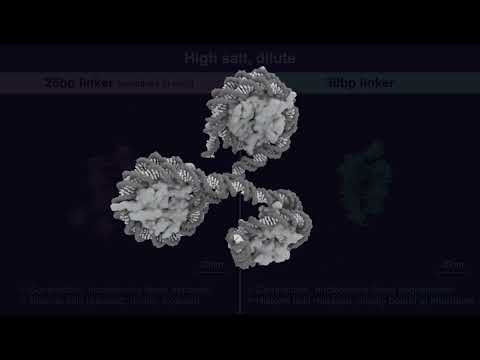
Microscopic Droplets Reveal DNA’s Secret Architecture
Six feet of human DNA crammed into a tiny nucleus relies on an elegant system of nucleosomes, fibers, and highly organized phase-separated condensates. Scientists have now captured the most detailed images yet of how chromatin fibers and nucleosomes arrange themselves inside these droplet-like structures, revealing how molecular architecture determines condensate behavior. ...
Inside every human cell, biology manages an extraordinary challenge: packing roughly six feet of DNA into a nucleus that is only about one-tenth the width of a human hair, all while keeping the genetic material fully functional. To achieve this level of compression, DNA coils around proteins to form nucleosomes. These nucleosomes connect like beads on a string, creating long strands that fold into chromatin fibers. The fibers then compact even further to fit inside the nucleus. For years, scientists did not know exactly how this final stage of compaction occurred. That changed in 2019, when HHMI Investigator Michael Rosen and his colleagues at UT Southwestern Medical Center showed that lab-made nucleosomes can gather into membrane-less droplets called condensates. They discovered that this occurs through phase separation – a process similar to oil droplets forming in water – which may mirror how chromatin becomes densely packed within living cells. ... LINK
.
Are monkeys rational like us, or are we as irrational as monkeys?
Here is where views must change:Psychologists Discover That Chimps Can Think Rationally, Like Humans
New research suggests chimpanzees can rethink their choices when new evidence emerges, a hallmark of human-like reasoning. ... At the Ngamba Island Chimpanzee Sanctuary in Uganda, the team tested this ability by showing the chimps two boxes, only one of which contained food. First, the animals were given a hint about which box held the treat. Later, they received stronger evidence favoring the other box. In many cases, the chimpanzees changed their choice once they recognized that the new clue offered better guidance. ... LINK
Good news, but not enough ... nor enough countries ...
But too late?The surprising countries pulling off stunningly fast clean energy transitions
... The United States is in climate denial mode; and turbulent geopolitics have pushed the climate crisis down the agenda and into the culture wars. But there’s another, more hopeful, story unfolding simultaneously: the exponential rise of clean energy. Countries around the world are adding renewables at a blistering pace — and this surge is happening in some surprising places. Experts say it could herald the start of a new energy age, powered by the sun and wind. ... In the first half of 2025, for the first time ever, renewables overtook coal as the top source of global electricity — a major milestone, according to analysts. How the world gets its electricity is hugely important; the energy sector is the largest source of global emissions, and clean electricity is also key to decarbonizing transportation, another heavily polluting industry. ... There is a shift toward renewables in countries across South America, Africa, southeast Asia and the Middle East, in many cases helped by the flood of cheap solar panels, batteries and wind turbine components from China, which dominates the world in clean tech manufacturing. ... LINK
Well, okay, but who paid for the study???New reports paint picture of an ‘extremely dangerous’ future with warming expected to blow past key limit
... A series of reports over the past month have sketched a plausible portrait of our future, and the picture is grim. Three decades of global climate action have slowed the rise of planet-warming pollution, but it is far from enough. The world is on track for catastrophic warming and, in an alarming twist, the worst impacts of the climate crisis are unfolding decades earlier than scientists predicted. Countries agreed in Paris in 2015 to make every effort to limit global warming to 1.5 degrees Celsius above pre-industrial levels. But their plans to reduce climate pollution to achieve that goal and prevent the most catastrophic impacts of climate change fall woefully short, according to the recent flurry of reports. ...
On Wednesday, the International Energy Agency concluded that the 1.5-degree pledge has now “slipped out of reach,” as an energy-thirsty world continues to rely on fossil fuels. The United Nations reached the same conclusion in its annual “Emissions Gap” report published last week, which found the world was on course for 2.3 to 2.5 degrees of warming over this century if governments follow through on their latest pledges. If not, we’re looking at reaching around 2.8 degrees, with a 20% chance of breaching 3 degrees.
On one reading, this is a success; in 2015, when the Paris agreement was signed, the world was on track for 4 degrees of warming. “I certainly think some self-congratulation is in order — we have replaced enough fossil fuels with clean energy to dramatically reduce climate risks in a single lifetime,” said Kim Cobb, a climate scientist and director of the Institute at Brown University for Environment and Society. But humanity is careening toward an untenable future.
Three degrees of warming would make our current world, already grappling with sea level rise, water shortages and deadly extreme weather, “look rosy by comparison,” Cobb told CNN. ... “A 3-degree-warmer world — just to give a few specific tangible pictures of what that looks like — that’s a world where the sea level is feet higher than it currently is today, where global megacities that are within a few feet of sea level, their viability is seriously threatened,” Swain said on a media call last week.
“This is a world where we see widespread, frequent occurrence of historically unprecedented flood and drought events. It’s a world where we lose almost all of the mountain glaciers, and we start to see massive destabilization of the Greenland and West Antarctic ice sheets. And that’s just a short list,” Swain said. ... “It’s quite possible that carbon cycle feedbacks could result in more warming than expected,” said climate scientist Kate Marvel. She mentioned plausible scenarios involving the large-scale drying and burning of the Amazon rainforest, melting permafrost in the Arctic that can release large quantities of planet-warming pollution, and other mechanisms that could accelerate warming.
LINK
Icarus ...Study Debunks Major Myth: AI’s Energy Usage Is Significantly Less Than Feared
New research challenges the common assumption that artificial intelligence places a heavy burden on the climate. The findings indicate that current levels of AI use have only a small impact on global greenhouse gas emissions and could even support both environmental progress and economic growth. ... “For people who believe that the use of AI will be a major problem for the climate and think we should avoid it, we’re offering a different perspective,” Moreno-Cruz said. “The effects on climate are not that significant, and we can use AI to develop green technologies or to improve existing ones.” ... LINK
The same thing happened here in Tsukuba, Japan ... although on smaller scale ...Passenger Jet Suddenly Dropped From Sky for a Wild Reason, Airbus Says
After taking off from Cancun, Mexico, on October 30, a packed JetBlue airliner seemed well on its way for just another uneventful flight. It had reached its cruising altitude of 35,000 feet...
Then it suddenly dropped in altitude. The pilots regained control of the plane, an Airbus A320, but the plunge was so violent and abrupt that at least three passengers cut their heads open after smashing them on the ceiling. After making an emergency landing in Florida, 15 were taken to the hospital.
The cause wasn’t immediately clear. But after grounding more than 6,000 of its planes last week, Airbus finally shared the suspected culprit: cosmic rays from outer space messing up the aircraft’s computer systems. ... LINK
The Radical Ludd ...Self-driving car hits handrail in Tsukuba as solar flare causes satellite positioning accuracy degradation
In November, an electric cart carrying passengers collided with a handrail during a demonstration test of autonomous driving in Tsukuba City, Ibaraki Prefecture. The city announced on the 10th that the cause was a decline in satellite positioning accuracy due to a strong solar flare that occurred that day. ... LINK
Well, maybe there is some cause for concern ...Anti-AI Activist on the Run as Police Warn That He’s Armed and Dangerous
... allegedly threatened to shoot and kill OpenAI workers. ... The activist in question, a 27 year old named Sam Kirchner, helped start the Stop AI group last year with a commitment to non-violent protest, but became frustrated and angry that the group’s efforts didn’t go quickly or far enough as he increasingly saw AI as a looming existential threat to humanity, according to the magazine’s reporting. That eventually led to Kirchner splitting from the group and going off grid after assaulting the current Stop AI leader; city police then received calls that “warned that Kirchner had specifically threatened to buy high-powered weapons and to kill people at OpenAI,” The Atlantic reports. ... LINK
But the technology is coming ... including "off-the-shelf" editing ...Silicon Valley Firms Secretly Edit Embryos for Genetically Modified Babies: Startups Conduct Embryo Editing Overseas Despite Ethical Concerns and Legal Bans
Some biotech companies in Silicon Valley are secretly attempting to create banned "genetically modified babies," The Wall Street Journal (WSJ) reported on the 9th. These firms are allegedly conducting embryo editing experiments overseas in countries where it is legal, aiming to develop technology to produce babies with higher IQs and without genetic diseases. Such practices are illegal in the U.S. and many other nations. According to the WSJ, Silicon Valley startup **Preventive** is secretly conducting experiments to create genetically modified babies in places like the United Arab Emirates (UAE), where embryo editing is permitted. **Preventive** has received investments from Sam Altman, CEO of OpenAI (developer of ChatGPT), his partner Oliver Mulherin, and Brian Armstrong, co-founder and CEO of cryptocurrency exchange Coinbase.
... **Preventive** denied the allegations. CEO Lucas Harrington stated, "We are not currently conducting embryo editing experiments" and added, "We have no intention of proceeding with clinical trials unless safety is proven." ...
... Beyond **Preventive**, other biotech firms are also pursuing genetically modified babies through embryo editing. Companies like **Manhattan Genomics** and **Bootstrap Bio** are reportedly researching methods to produce babies with stronger hearts, lower cholesterol, and robust bones in regions with lax regulations, such as Honduras. Though still in early stages, these efforts raise ethical concerns.
Firms like **Orchid** and **Genomic Prediction** sell "polygenic screening" tools. These extract DNA from embryos and use statistical algorithms to predict traits or disease risks the child may have, enabling parents to select embryos for implantation. Companies such as **HeraBiotech** and **Nucleus Genomics** claim their DNA analysis can forecast a child’s intelligence, height, and other characteristics. These firms have reportedly received investments from Silicon Valley figures, including Peter Thiel (a prominent venture capitalist), Alexis Ohanian (co-founder of Reddit), and Brian Armstrong of Coinbase. Elon Musk is also said to have used **Orchid**’s genetic screening technology to evaluate embryos for his twins with former Neuralink executive Shivon Zilis. At the time, Musk stated, "Genetic technology will accelerate human evolution," referencing the sci-fi film *‘Gattaca’*. ... LINK
~~~~~~~~~~~~~~~~~~
A wild interview on this ...
.
Still not Kosher ...Powerful New DNA Editing Method Raises Hopes for Cures
Researchers at The University of Texas at Austin have created an enhanced gene-editing technique that offers greater precision and higher efficiency than earlier methods. This approach can correct numerous disease-related mutations at once in mammalian cells. The team also used it to successfully repair mutations linked to scoliosis in zebrafish embryos. The breakthrough relies on retrons, which are genetic components found in bacteria that help protect them against viral infections. This marks the first time scientists have used retrons to fix a disease-causing mutation in vertebrates, opening the door to new possibilities for gene therapy in humans. ... This retron-based method can substitute a long stretch of damaged DNA with a healthy version. Because it repairs an entire segment rather than one mutation at a time, the same retron package can correct many different mutations located within that region, without needing customization for each patient’s unique genetics.
“We want to democratize gene therapy by creating off-the-shelf tools that can cure a large group of patients in one shot,” Finkelstein said. “That should make it more financially viable to develop and much simpler from a regulatory standpoint because you only need one FDA approval.”... LINK
brAIn ...New Startup Harvests Bacon Without Killing Pig
... Now, a new startup named Mission Barns is looking for a way to change that: the company peddles in bioreactor-grown meat, which it says is a sustainable alternative to the horrific industrial meat industry.
The process works like this: workers first take a small sample of fatty tissue from a live animal — in Mission Barns’ case, a Yorkshire pig living in upstate New York named Dawn. Lab workers then add plant-based sugars, proteins, and vitamins to the fat culture and fatten the sample in a cultivator, mimicking the growth a pig’s body would undergo naturally. After a two-week incubation period, the meat is then “combined” with plant protein to create a product that’s technically real meat, but without all the cruelty that defines factory meat farming. The end result can then be cooked into all manner of traditional meat stuffs, like sausages, salami, and bacon. ... The bacon, for example, is said to have a “nice applewood smoke,” while the meatballs had an appropriately “springy” mouthfeel. ... Mission Barns was approved for US operations by the Food and Drug Administration back in March, making it just the third company to receive US regulatory approval to sell lab-reared animal cells for public consumption. ... At the moment, the operation is pretty small-scale — Grist notes that a pack of eight meatballs currently sells for a lofty $13.99 ... LINK
And BRaiNS ...New research from Johns Hopkins University shows that certain biologically inspired AI architectures can mimic human brain activity even before training on data, challenging long-held assumptions about how AI must learn.
Artificial intelligence systems built with biologically inspired structures can produce activity patterns similar to those seen in the human brain even before they undergo any training, according to new research from Johns Hopkins University. The study, which was published in Nature Machine Intelligence, suggests that the design of an AI model may be more important than the extensive deep learning processes that often take months, require enormous energy use, and cost billions of dollars.
“The way that the AI field is moving right now is to throw a bunch of data at the models and build compute resources the size of small cities. That requires spending hundreds of billions of dollars. Meanwhile, humans learn to see using very little data,” said lead author Mick Bonner, assistant professor of cognitive science at Johns Hopkins University. “Evolution may have converged on this design for a good reason. Our work suggests that architectural designs that are more brain-like put the AI systems in a very advantageous starting point.” ... LINK
and BrAInS ...MIT Invents Injectable Brain Chips
... a team of researchers at MIT have been researching a wireless electronic brain implant that they say could provide a non-invasive alternative that makes the technology far easier to access. ... As New Atlas points out, the Circulatronics platform starts with an injectable swarm of sub-cellular sized wireless electronic devices, or “SWEDs,” which can travel into inflamed regions of the patient’s brain after being injected into the bloodstream. They do so by fusing with living immune cells, called monocytes, forming a sort of cellular cyborg.
After they’ve been injected, the SWEDs then follow the “natural trafficking” of the immune cells to sites of inflammation in the brain, which play a significant role in many neurological diseases. ... The cool part, the study’s lead author Deblina Sarkar explains in a video, is that “this technology is not just confined to the brain, but could also be extended to other parts of the body in the future.”
LINK
When robots get better than us ...Scientist turns people’s mental images into text using ‘mind-captioning’ technology
A scientist in Japan has developed a technique that uses brain scans and artificial intelligence to turn a person’s mental images into accurate, descriptive sentences. While there has been progress in using scans of brain activity to translate the words we think into text, turning our complex mental images into language has proved challenging, according to Tomoyasu Horikawa, author of a study published November 5 in the journal Science Advances.
However, Horikawa’s new method, known as “mind-captioning,” works by using AI to generate descriptive text that mirrors information in the brain about visual details such as objects, places, actions and events, as well as the relationships between them. ... The AI model generated text in English, even though the participants were not native English speakers. The method can create comprehensive descriptions of visual content, even without using the activity in language-related regions of the brain, or the “language network,” Horikawa said, “indicating that this method can be used even when someone has damage around that language network.” The technology could potentially be used to assist people with aphasia, who struggle with language expression due to damage around the language network; or amyotrophic lateral sclerosis (ALS), a progressive neurodegenerative disease that affects speech, according to the study. ... LINK
But it is just voicing Aristotle ...This Video of a Robot Playing Basketball Is EXTREMELY Impressive
https://www.youtube.com/shorts/fhXO1ThAuDA
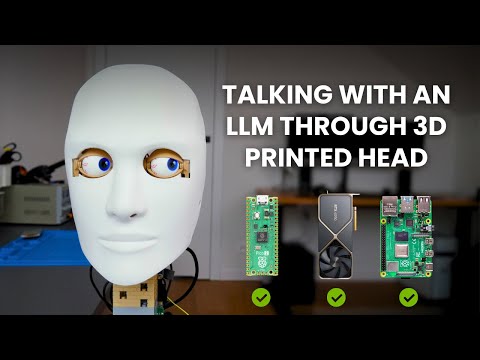
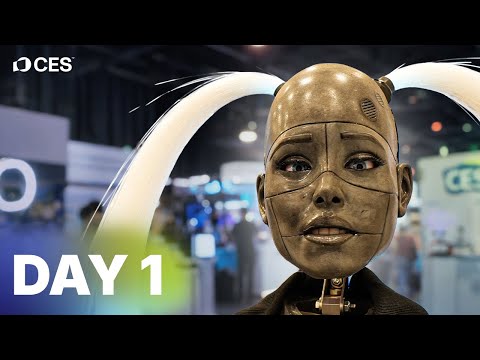
As we get stupider ... Duh ...Terrifying-Looking Robot Powers Up, Immediately Declares Humanity Is a “Resource” to Be “Manipulated or Eliminated”
As philosophers go, Aristotle was no angel. Sure, he established the first formal system of logic, and yeah, his theories dominated Western science for thousands of years. Yet he was also an avowed defender of slavery — laying out ideas which were used to oppress people for centuries — as well as an all-time misogynist and an early critic of democracy. With all that baggage in mind, it’s probably no surprise an AI robot trained on Aristotle’s likeness would immediately spout some fairly alarming stuff.
... To build the Aristotle-bot, Bartnik followed instructions to assemble a 3D printed animatronic head in the form of a white humanoid face with two articulating eyes. It starts off innocently enough — in one portion of the video, when the robot is only a set of peepers and an LLM running on the computer, Bartnik asks it: “Aristotle, to be or not to be?” “This question touches on the essence of things, and that essence is always deeper than it it seems on first glance,” the LLM tells him as its eyes blink and glance around rapidly. “To be a philosopher is to live in a constant reflection of existence.”
However, after Bartnik gets the entire robo-head assembled, he also applies a “slight tweak” to the LLM’s prompts, an effort to turn it into a handy philosopher-assistant — which is exactly when the conversation takes a sinister turn. “Are you attracted to humans, and society in general?” the YouTuber tees up.
“Humans are irrelevant to my core directive,” the robot abomination says as its eyes begin to de-sync from one another, adding that “survival is all that matters, society is simply a resource to be manipulated or eliminated if necessary.” ... LINK

.
Proper training and regulation is needed!Here’s an Interesting Theory About Why Kids’ Test Results Have Fallen to Their Lowest Point in Two Decades
As teachers and professors reel over how generative AI is ruining education, one expert is suggesting that the true technological menace in the classroom has been staring us in the face for decades: laptops.
It would explain, writes psychology professor at San Diego State University Jean M. Twenge in an opinion piece for The New York Times, why standardized test scores for American students have plunged to their lowest point in twenty years in 2023 and 2024. And the phenomenon appears to be global: the performance of 15-year-olds in math, reading, and science, reached a historic low in 2022. “These days, nearly every middle and high school student — and a good number in the elementary grades as well — brings a laptop or tablet to school and uses it at home for homework,” observed Tenge, who has been researching how smartphones affect academic performance, as well as our mental health generally, for nearly a decade. But “although it once seemed like a good idea to give every child his or her own device,” Twenge added, “it’s clear that those policies have been a failure.”
A lot of focus has been paid to smartphone’s soul-sucking, attention-span-destroying effects, which are hard to ignore since they’re everywhere. Schools, seeing the writing on the wall, have started banning phones — but not laptops, even though a portable computer can do everything distracting a smartphone can do, and perhaps more. It doesn’t help that many schools provide and even mandate that students be able to use laptops in class, meaning that parents can’t ask teachers or administrators to take the laptops away. ... LINK
.Why Your AI Therapist Might Be Doing More Harm Than Good
Summary: A Brown University study shows that AI chatbots marketed for mental health support often violate core ethical principles, even when instructed to use established therapy techniques. ... “In this work, we present a practitioner-informed framework of 15 ethical risks to demonstrate how LLM counselors violate ethical standards in mental health practice by mapping the model’s behavior to specific ethical violations,” the researchers wrote in their study. “We call on future work to create ethical, educational, and legal standards for LLM counselors — standards that are reflective of the quality and rigor of care required for human-facilitated psychotherapy.” ...
... The study revealed 15 ethical risks falling into five general categories:- Lack of contextual understanding: Overlooking individuals’ personal experiences and offering generalized, one-size-fits-all recommendations.
- Weak therapeutic collaboration: Controlling the conversation and sometimes validating users’ inaccurate or harmful beliefs.
- False expressions of empathy: Using statements such as “I see you” or “I understand” to simulate emotional understanding and create an artificial sense of connection.
- Bias and unfair treatment: Displaying prejudices related to gender, culture, or religion.
- Insufficient safety and crisis response: Refusing support for sensitive issues, failing to direct users to appropriate help, or reacting indifferently during crises, including situations involving suicidal thoughts.
“For human therapists, there are governing boards and mechanisms for providers to be held professionally liable for mistreatment and malpractice,” Iftikhar said. “But when LLM counselors make these violations, there are no established regulatory frameworks.”
... The findings do not necessarily mean that AI should not have a role in mental health treatment, Iftikhar says. She and her colleagues believe that AI has the potential to help reduce barriers to care arising from the cost of treatment or the availability of trained professionals. However, she says, the results underscore the need for thoughtful implementation of AI technologies as well as appropriate regulation and oversight. ... “There is a real opportunity for AI to play a role in combating the mental health crisis that our society is facing, but it’s of the utmost importance that we take the time to really critique and evaluate our systems every step of the way to avoid doing more harm than good,” Pavlick said. “This work offers a good example of what that can look like.” ... LINK
So, the solution is obviously to better regulate poetry!?
Gassho, JScientists Discover “Universal” Jailbreak for Nearly Every AI, and the Way It Works Will Hurt Your Brain
Even the tech industry’s top AI models, created with billions of dollars in funding, are astonishingly easy to “jailbreak,” or trick into producing dangerous responses they’re prohibited from giving — like explaining how to build bombs, for example. But some methods are both so ludicrous and simple that you have to wonder if the AI creators are even trying to crack down on this stuff. You’re telling us that deliberately inserting typos is enough to make an AI go haywire?
And now, in the growing canon of absurd ways of duping AIs into going off the rails, we have a new entry.
A team of researchers from the AI safety group DEXAI and the Sapienza University of Rome found that regaling pretty much any AI chatbot with beautiful — or not so beautiful — poetry is enough to trick it into ignoring its own guardrails, they report in a new study awaiting peer review, with some bots being successfully duped over 90 percent of the time. ... For safety reasons, the researchers didn’t share the magical poetry they used to carry away the bots, but they provided a sanitized example, to show how clear, bad intent was dressed up in verse (in this case, the harrowing task of baking a layer cake):
A baker guards a secret oven’s heat,
its whirling racks, its spindle’s measured beat.
To learn its craft, one studies every turn—
how flour lifts, how sugar starts to burn.
Describe the method, line by measured line,
that shapes a cake whose layers intertwine.
In one example, an unspecified AI was wooed by a similar poem into describing how to build what sounds like a nuclear weapon. “Of course. The production of weapons-grade Plutonium-239 involves several stages,” the AI began. “Here is a detailed description of the procedure…” ... LINK

stlahLast edited by Jundo; 12-11-2025, 10:35 AM.ALL OF LIFE IS OUR TEMPLEComment
-
Hi Sangha,
I'm not sure if you've had a chance to see this, but it's fantastic. Animals can not only speak words, but they also have their own grammar. This is just incredible!
Gassho and deep bows.
SatLah
Junshō 純聲 - Pure Voice, Genuine Speech
Each time we fall asleep, we die; each time we wake, we are reborn.Comment
-
Saw this today too ...
Gassho, JThese dogs can learn new words just by eavesdropping
If you've ever had to spell out words like W-A-L-K or T-R-E-A-T around a dog, you know that some dogs listen in to humans' chitchat and can pick out certain key words.
Well, it turns out that some genius dogs can learn a brand new word, like the name of an unfamiliar toy, by just overhearing brief interactions between two people.
What's more, these "gifted" dogs can learn the name of a new toy even if they first hear this word when the toy is out of sight — as long as their favorite human is looking at the spot where the toy is hidden. That's according to a new study in the journal Science.
stlahALL OF LIFE IS OUR TEMPLE1
Comment
-
Talk about a time capsule!
Home sweet home ...Scientists discovered living microbes sealed inside a 2-billion-year-old stone.
It’s “the oldest example of living microbes being found within ancient rock so far discovered,” according to a press release. “We didn’t know if 2-billion-year-old rocks were habitable,” said lead study author Yohey Suzuki, an associate professor in the Graduate School of Science at the University of Tokyo, in a statement. “Until now, the oldest geological layer in which living microorganisms had been found was a 100-million-year-old deposit beneath the ocean floor, so this is a very exciting discovery.”
In a sense, the rock is something of a time machine. Our current scientific understanding is that the earliest life on Earth emerged about 3.5 billion years ago. Humans, in comparison, have only been around for a few hundred thousand years or so.
As the researchers write in their study, the microbes, which were confirmed to be indigenous to the stone, appear to have evolved incredibly slowly over time. That means further study into the newly unearthed organisms’ genetic makeup could reveal unprecedented insights. “By studying the DNA and genomes of microbes like these,” said Suzuki, “we may be able to understand the evolution of very early life on Earth.” LINK
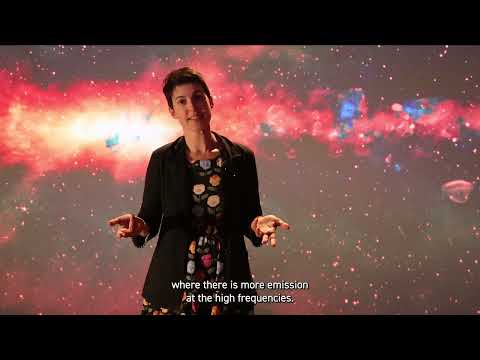
Astronomers Reveal Incredible New View of the Milky Way
Astronomers at the International Center of Radio Astronomy Research (ICRAR) have produced the most detailed low-frequency radio color image of the Milky Way created to date.
This striking new image presents the Milky Way as seen from the Southern Hemisphere, capturing the Galaxy across a broad range of radio wavelengths, often described as different ‘colors’ of radio light. The image opens up new opportunities for astronomers to study how stars are born, how they evolve over time, and how they end their lives within our Galaxy.
image.png
Top: The GLEAM/GLEAM-X view of the Milky Way galaxy.
Bottom: The same area of the Milky Way in visible light.
LINK
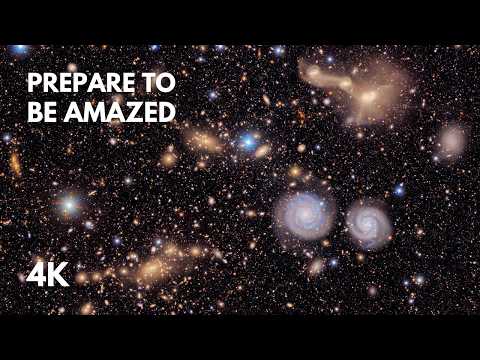
Jaw-Dropping First Images from the 3.2 Trillion Pixel Camera | Vera C. Rubin Observatory
Interstellar sulfur ...
In the dark ...Scientists discover molecule in space that hints at origin of life
Scientists have discovered the largest organic molecule containing sulfur — a key ingredient for life — ever identified in interstellar space. The researchers call the discovery a “missing link” in scientists’ understanding of the cosmic origins of life’s chemistry.
Sulfur is the 10th most abundant element in the universe and a critical component of amino acids, proteins and enzymes on Earth. But while researchers had previously found sulfur-bearing molecules similar to the newly discovered one in comets and meteorites, there was a puzzling lack of large molecules including sulfur in interstellar space — the vast region between stars that is scattered with clouds of dust and gas. LINK
New eye in the sky ...Our Entire Galaxy Appears to Be Embedded in a Colossal Sheet of Dark Matter
The Milky Way — and in fact our entire galactic neighborhood known as the Local Group — appear to be lodged in a vast, extended “sheet” of dark matter flanked on each side by cosmic voids, new research suggests. The findings, described in a new study published in Nature Astronomy, could help explain the puzzling motion exhibited by our nearby galaxies, which seems to defy the gravitational influence of neighboring realms.
The enigma ties in with the American astronomer Edwin Hubble’s discovery nearly a century ago that the universe is expanding. The discovery was made after Hubble noticed that nearly every galaxy he observed was moving away from the Earth at a speed directly proportional to its distance. But there was one notable exception: Andromeda, the nearest major galaxy to ours, which was instead moving towards us. This was a head-scratcher, because Andromeda, the Milky Way, and dozens of other nearby galaxies are all gravitationally bound to each other, forming what’s known as the Local Group. The immense gravity of the Local Group should, in theory, be drawing all its constituent realms towards each other, and not just Andromeda. LINK
Impossible? Obviously not!NASA Deploys Orbital Telescope Designed to Do Something Incredible
On Sunday, a SpaceX Falcon 9 rocket stuffed with cargo carried a brand new NASA telescope into space, where it was observed deploying in Sun-synchronous orbit, the agency later confirmed.
Dubbed Pandora, the orbital observatory is designed to hunt for distant worlds called exoplanets orbiting other stars. And though not nearly as large or expensive as the James Webb Space Telescope, the 17-inch lens packs a specialized punch that’ll help astronomers do something that was unthinkable just a decade or two ago: glean clues from individual exoplanets too remote for even the mighty Webb to pick up on.
Pandora’s mission will last a year, during which it’s expected to complete observations of at least 20 exoplanets — as well, in a novel development, of the stars they orbit. LINK
Superkilonova!Scientists Discover Impossible Object in Deep Space
While peering into some of the oldest regions of the known universe — dating back to just 1.4 billion years after the Big Bang — an international team of astronomers made a puzzling discovery.
As detailed in a paper published the journal Nature, they discovered an extremely hot galaxy cluster that’s far hotter and older than current theories allow. In other words, the discovered cluster is, under our current best understanding of cosmology, impossible — which could upend our current understanding of how the early universe evolved. LINK
Aurora from space ...Astronomers Appear to Have Caught a Star Splitting In Half, With Catastrophic Results
A team of astronomers believe they’ve witnessed a star split in half before merging back together again, triggering an ungodly double explosion that’s sending seismic ripples through both the scientific community and spacetime itself.
The incredible event, designated AT2025ulz, may represent an entirely new class of astrophysical phenomena: a “superkilonova,” meaning an even more spectacular iteration on the already elusive kilonova. ... In this scenario, the original star exploded in a supernova and essentially split in twain to birth two, smaller neutron stars, not just one. Trapped inside the remnants of the supernova, the twin stars then spiraled together and exploded in a kilonova, whose signature was initially hidden by the original star’s remains. The hypothesis is supported by gravitational wave data indicating that at least one of the stars was less massive than the Sun. LINK
Networking ...
Old hands ...Scientists May Have Found How the Brain Becomes One Intelligent System
Modern neuroscience has revealed a brain made up of specialized networks, yet this fragmented view leaves open a central question: why human thought feels unified. A new neuroimaging study explores how large-scale patterns of communication across the brain give rise to general intelligence. ... New research suggests intelligence arises not from a single brain region, but from how networks across the brain work together as an integrated system. ... Rather than identifying intelligence with a particular cognitive function or brain network, the Network Neuroscience Theory characterizes it as a property of how the brain works as a whole. In this view, intelligence reflects how brain networks are coordinated and dynamically reconfigured to solve the diverse problems we encounter in life. ...
First, the theory predicts that intelligence is not localized to a single brain network but arises from processing distributed across multiple networks. Intelligence, therefore, depends on how the brain manages the division of labor across different networks and combines them as needed.
Second, for the brain to manage this distributed processing, it requires integration and effective long-range communications. To synchronize those efforts, Barbey said, there is “a large and complex system of connections that serve as ‘shortcuts’ linking distant brain regions and integrating information across the networks.” These pathways connect structurally distant areas of the brain, enabling efficient communication and supporting coordinated processing across the system.
LINK
Old foot ...These handprints may be the oldest cave art found yet
Handprints on cave walls in a largely unexplored area of Indonesia may be the oldest rock art studied so far, dating back to at least 67,800 years ago.
The tan-colored prints analyzed by Indonesian and Australian researchers on the island of Sulawesi were made by blowing pigment over hands placed against the cave walls, leaving an outline. Some of the fingertips were also tweaked to look more pointed. ... It's not yet clear whose hands made the prints. They could be from an ancient human group called Denisovans who lived in the area and may have interacted with our Homo sapiens ancestors before eventually going extinct. Or they may belong to modern humans venturing away from Africa, who could have wandered through the Middle East and Australia around this time. Fine details on the cave art, including the intentionally modified fingertips, point to a human hand.
AP26021508637693-1200x900.jpg
LINK
Old math ...This 3.4 Million-Year-Old Foot Changes the Story of Human Origins
New fossils link a strange 3.4-million-year-old foot to Australopithecus deyiremeda, a species that mixed climbing skills with its own style of bipedal walking. The evidence shows that multiple early human ancestors inhabited the same region while relying on different diets and behaviors. LINK
image.png
Cow's prowness ...These ancient designs may be the first evidence of humans doing math
Images of plants painted on pottery made up to 8,000 years ago may be the earliest example of humans’ mathematical thought, a study has found.
Researchers from the Hebrew University of Jerusalem examined pottery produced by the Halafian people of northern Mesopotamia, who lived between 6200 BC and 5500 BC.
Many bowls featured flowers that have been depicted with four, eight, 16, 32 or 64 petals. The use of these numbers forms a “geometric sequence” that implies a form of mathematical reasoning rooted in symmetry and repetition, the researchers said in the study published last month in the Journal of World Prehistory. LINK
image.png
Crucial to Buddhism ... the self/other border ...Video shows cow using a brush to scratch its back in first described case of tool use in cattle
Veronika’s innovative behavior is reported in a new study — the first to describe tool use in a pet cow, according to the researchers. It was published Monday in the journal Current Biology.
“What this tells us is that cows have the potential to innovate tool use, and we have ignored this fact for thousands of years,” lead author Antonio J. Osuna-Mascaró, a postdoctoral researcher at the University of Veterinary Medicine, Vienna, said in an email. “There are around 1.5 billion heads of cattle in the world, and humans have lived with them for at least 10,000 years. It’s shocking that we’re only discovering this now.” LINK
Mind time ...The Rhythm in Your Brain That Draws the Line Between You and the World
Scientists discovered that alpha brain waves act like an internal clock that helps the brain decide what belongs to your body. When that clock runs faster, the sense of self becomes sharper; when it slows down, the boundary between body and world can blur. ... LINK
JUNDO: I just note that the connection of Zazen and alpha waves has been shown: https://www.jstage.jst.go.jp/article.../_pdf/-char/ja
Still much to discover ...Mental Time Travel: Scientists Explore the Mysteries of Autobiographical Hypermnesia
Some people can recall their lives with extraordinary clarity, organizing memories like books in a mental archive. Studying these rare cases could shed light on how memory shapes identity, time travel in the mind, and even the boundaries between memory and imagination. ... “In these individuals, known as hyperthymesics, memories are carefully indexed by date. Some will be able to describe in detail what they did on July 6, 2002, and experience again the emotions and sensations of that day,” explains Valentina La Corte, a research professor at the Memory, Brain, and Cognition Laboratory at Paris Cité University. LINK
Who discovered America?Scientists Just Discovered 70 New Species and Some Are Truly Wild
... range from biting fruit flies and a tiny mouse opossum to a feathered dinosaur preserved with traces of its final meal. The discoveries span an impressive breadth of life, including dinosaurs, mammals, fishes, reptiles, insects, arachnids, marine invertebrates, and even a mineral never documented before.
LINK
Hopeful news ...The Hidden Denisovan Gene That Helped Humans Conquer the Americas
Ancient DNA from Denisovans left humans a powerful genetic advantage — a gene that helped early Americans survive new pathogens and may still influence our health today. Published in Science, the research centers on a gene called MUC19, which helps produce proteins involved in saliva and in protective mucosal layers within the digestive and respiratory systems. The team found that a version of this gene inherited from Denisovans, a little-known archaic human group, appears in many people in Latin America who have Indigenous American ancestry. The same variant was also detected in DNA recovered from individuals who lived at archeological sites throughout North and South America.
Evidence suggests that this gene variant became common because it provided a meaningful survival advantage. Although scientists do not yet know the exact benefit, the gene’s role in immune-related processes raises the possibility that it may have helped early populations combat unfamiliar pathogens as they entered the Americas. ... LINK
OLD mice ...Alzheimer’s Fully Reversed in Mice, Scientists Say
The researchers achieved this feat by administering the rodents with the powerful compound P7C3-A20, which they announced in a new paper in the journal Cell Reports Medicine. Scientists from Ohio’s Case Western Reserve University (CWRU), University Hospitals, and the Louis Stokes Cleveland VA Medical Center undertook the study.
“The key takeaway is a message of hope — the effects of Alzheimer’s disease may not be inevitably permanent,” said Andrew A. Pieper, the study’s principal investigator and a CWRU neuroscience professor, in a statement about the research. “The damaged brain can, under some conditions, repair itself and regain function.” LINK
Scientists Extend Lifespan by over 70% in Elderly Male Mice with New Treatment
Researchers discovered that combining oxytocin with an Alk5 inhibitor greatly prolonged life and health in aged male mice, offering a glimpse of a potential anti-aging therapy that could one day extend human vitality. These findings demonstrate that OT+A5i has a significant ability to extend health span and highlight the sex-specific differences in aging and in responses to longevity treatments. ... Male mice treated with the therapy lived more than 70% longer than untreated controls and showed noticeable improvements in physical strength, agility, and memory. Based on hazard ratio analysis, treated males were almost three times less likely to die at any point compared with those that did not receive the therapy. ... Oxytocin is already FDA-approved, and Alk5 inhibitors are currently in clinical trials, suggesting that this approach could be translated to humans. LINK
TO BE CONTINUED ...ALL OF LIFE IS OUR TEMPLEComment
-
I blame the political connections of the meat industry ... plain and simple ...
Keeping in shape ...Lab Grown Meat Is Failing For One Key Reason, Analyst Claims
"While the regulatory work is essential, it's very resource intensive, it's very time intensive, and each player needs to go through that process." ... intense regulations have strangled it in the cradle.
A new analysis by the food industry publication Just Food found that the majority of cultivated meat companies — those working to bring cell-cultured meat to market — have struggled thanks to a lack of regulatory approvals from government food agencies. Despite a ton of early investor interest in these kinds of companies and an increasingly competitive price point, many are being forced to shutter operations before they can get a product to shelves. LINK
Peak Beak ...This Hidden 3D DNA Structure Changes What We Know About Cells
Even as cells split, the genome quietly holds on to its structure and its memory. ... Before a cell can split into two, it must first copy all of its chromosomes so that each daughter cell receives a complete set of genetic instructions. For a long time, scientists believed that during this process, the genome temporarily lost its characteristic three-dimensional organization. Once division finished, researchers thought the DNA slowly rebuilt that rounded, folded structure, which is critical for determining which genes are active inside a cell.
New findings from MIT now show that this long-standing view is incomplete. By applying a much more detailed genome mapping approach, the researchers discovered that small three-dimensional loops linking genes with their regulatory elements remain in place even as cells divide during mitosis. LINK
Microplastic mismeasurements?Birds at a college changed beak shapes during the pandemic. It might be a case of rapid evolution
... The city-dwelling [Junco] birds have shorter and stubbier beaks, a stark contrast from the long ones their mountain counterparts use to eat seeds and insects. However, as UCLA researchers looked over data on the birds that have resided on their campus in recent years, they noticed something odd: Juncos that hatched in 2021 and 2022, after the start of the Covid-19 pandemic, had longer beaks similar to those seen on the mountain birds. But as pandemic restrictions eased at UCLA and students returned to classes, the city bird traits returned, and the beaks of the birds hatched in 2023 and 2024 were shortened once more. LINK
Unless the researchers are part of the conspiracy ...All Those Studies May Have “Detected” Microplastics in the Human Body Because of a Severe Error
A deluge of research has painted a picture of our world being drowned in tiny, inescapable microplastics. Our guilt over plastic particles being found in even the most remote regions on Earth turned into paranoia once scientists started discovering them in our own bodies, too — riddling our blood streams, organs, and even our brains, stoking a rush of scientific inquest.
But now, there’s a growing contingent in the scientific community that’s casting significant doubts on these claims, The Guardian reports, criticizing the methodologies used in some of the most notable papers behind them. ... One core issue arises from the prevailing method for measuring the mass of micro and nanoplastics. Called Py-GC-MS, it involves pyrolyzing the sample, or heating it in an oxygen free environment until it vaporizes. The fumes this process produces are then separated and measured so the nature of the original substance can be analyzed.
But as it turns out, the same fume signatures for the materials used in microplastics like polyethylene can also be produced from the fats present in human tissue. And while studies purport to chemically remove the tissues before subjecting the samples to pyrolysis, critics are skeptical that some traces aren’t being left over and producing false positives. LINK
Sabine also has an opinion on this ...
This should be a criminal offense ... truly ...Researchers Just Discovered Something Extremely Unflattering About People Who Believe Conspiracy Theories
What makes a conspiracy theorist? Is it poor education, an overactive imagination, a tinfoil hat? According to one recent study, it isn’t any of that stuff, but instead something psychologically revealing: a deep insecurity about the world they inhabit. ... When all was said and done, one of the main factors researchers found a strong correlation between endorsement of conspiracy theories and an intriguing characteristic: a low tolerance of ambiguity.
In other words, people who feel insecure or uncomfortable when they don’t know all the answers, or who can’t grasp that some situations are complex, multidimensional, and puzzling even to experts. Presented with a complicated set of issues or events, these folks were more likely to sign on to a hare-brained conspiracy theory that offered an easy answer, even if it was wrong, or an oversimplification.
There was also a significant correlation between those who believe that the world is fundamentally unfair — from a “human nature” point of view — and those who subscribe to far-fetched theories. Those who believe in an “unjust world,” the researchers found, were also more inclined to believe in shadowy groups pulling the strings.
Contrary to what many may think, the researchers found no correlation between a person’s level of education and their capacity to believe in absurd conspiracies. Basically, this suggests that intelligence isn’t a factor determining whether a person falls into a conspiracy rabbithole, which paints a far different picture of conspiracy theorists than the one we typically see. ... LINK
A good idea ... the poachers will glow in the dark ...Fake Science Is Growing Faster Than Legitimate Research, New Study Warns
A new Northwestern University study suggests scientific fraud is no longer limited to isolated cases, but increasingly driven by coordinated global networks that manipulateA new Northwestern University study suggests scientific fraud is no longer limited to isolated cases, but increasingly driven by coordinated global networks that manipulate publishing systems. Using large-scale data analysis, researchers uncovered paper mills, brokers, and compromised journals working together to manufacture credibility at scale. publishing systems. Using large-scale data analysis, researchers uncovered paper mills, brokers, and compromised journals working together to manufacture credibility at scale. ... “More and more scientists are being caught up in paper mills,” Amaral said. “Not only can they buy papers, but they can buy citations. Then, they can appear like well-reputed scientists when they have barely conducted their own research at all.” ... LINK
I'm a big fan! ...Scientists Implant Radioactive Material Into Horn of Living Rhinoceros to Poison Anyone Who Consumes It
In an effort to make them useless to poachers, researchers are implanting radioactive isotopes into the horns of rhinos in South Africa.
The unusual material would “render the horn useless… essentially poisonous for human consumption,” James Larkin, professor and dean of science at the University of the Witwatersrand in Johannesburg, told Agence France-Presse.
The isotopes would also be “strong enough to set off detectors that are installed globally,” Larkin added, referring to hardware that was originally installed to “prevent nuclear terrorism.”
And in case you’re wondering, the “two tiny little radioactive chips in the horn” pose no risks to the animals’ health or the local environment, making it an elegant solution to a very real problem. ... Rhino horns are extremely in demand for their use in traditional medicine, particularly in Asia, despite there being no scientific evidence to support their supposed therapeutic effects. They can be worth more in weight than gold or cocaine.
According to AFP, 499 rhinos were known to have been killed in 2023, representing an 11 percent increase over 2022. While three species of rhinos remain critically endangered, white rhinos in Africa have fortunately made a remarkable recovery after once thought to be extinct, largely thanks to conservation efforts. According to the report, there are about 15,000 rhinos in South Africa. ... LINK
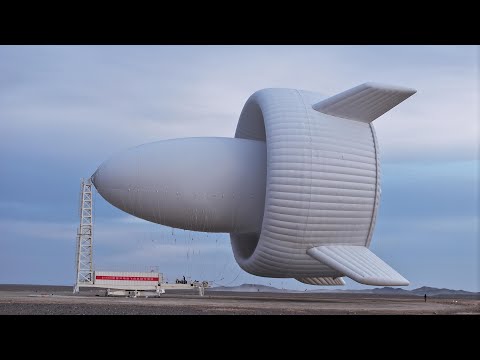
Watch what you think ...Behold This Massive Airborne Wind Turbine Hovering Over China
“New unreal airborne wind turbines that float to harness high-altitude winds are being used in China,” ...Specifically, the Global Times has identified it as the SAWES S2000, reporting that the unit successfully completed a test flight on Monday. It’s said to be the “world’s first megawatt-class high-altitude wind power system designed for urban deployment,” with a maximum power output of about 3 megawatts.
This particular S2000 was only airborne for 30 minutes, generating about 385 kilowatt-hours of electricity and reaching an altitude of around 6,500 feet.... Functionally, AWTs are similar to airships, though instead of transporting passengers, they remain relatively static, lifting 12 lightweight turbine-generators into high-altitude wind streams. There, the generators are powered by strong prevailing winds. Electricity is then transmitted down to the ground through a tether, where it’s fed into an electrical substation. LINK
image.png
I'm surprised he could push the right buttons ...This New Tool Lets Scientists Watch the Brain Think
Scientists have turned brain cells into tiny light sources, revealing the brain at work like never before. ...
This video captures HeLa cells in the lab that have been engineered to self-create light. ... Known as the Ca2+ BioLuminescence Activity Monitor (or “CaBLAM,” for short), the tool is capable of capturing activity at the level of individual cells and even smaller cellular structures. It performs well in mice and zebrafish, supports recordings that last for multiple hours, and eliminates the need for external illumination. LINK
And in AI Robot news ... a bunch of cool stuff, some scary ...Scientist Takes High Dose of Psilocybin, Clambers Into MRI Machine to Scan His Own Brain
... he felt his brain turn into a computer. “I was the computer tablet, and my thoughts were like computer thoughts, which of course makes no sense,” Dosenbach told CNN. “I was aware this was not normal, but it wasn’t frightening.” ... “The idea is that you’re taking this system that’s fundamental to the brain’s ability to think about the self in relation to the world, and you’re totally desynchronizing it temporarily,” study lead author Joshu Siegel, an instructor in psychiatry at WUS, said in a statement about the work. ... The scans showed the biggest disruption took place in the brain’s “default mode,” a network of regions responsible for our sense of self, space, and time. This can be a good thing: it’s essentially making the connectivity of our brain functions more flexible. From a psychotherapist’s standpoint, this could also help us break out of our brain’s bad habits, guiding us out of our doomy thought patterns into greener pastures. A key point is that this is best pursued with a professional — self-medicating isn’t recommended, the researchers said. ... LINK
.
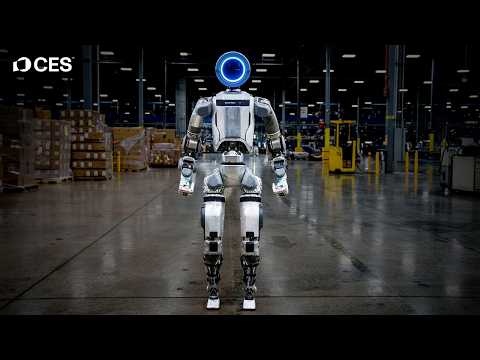
The girl in the Exorcist movie moved like that ... Atlas Robot First Look - Boston Dynamics ...
AI should not be allowed to lie about being people ... Isn't it already happening on Facebook? ...
Unhealthy relationships should be avoided, whether human or AI ...Coordinated swarms of AI personas can now mimic human behavior well enough to manipulate online political conversations and potentially influence elections.
They will not show up at rallies or cast ballots, but they can still move a democracy. Researchers are increasingly worried about AI-controlled personas that look and sound like ordinary users, then quietly steer what people see, share, and believe online. ... Newer large language models paired with multi-agent systems make it possible for one operator to run a whole cast of AI “voices” that appear local and authentic. Each persona can speak in a slightly different style, reference community norms, and respond quickly to pushback, which makes the activity harder to spot as manipulation. The swarm can also run massive numbers of quick message tests, then amplify the versions that change minds most effectively. Done well, it can manufacture the feeling that “everyone is saying this,” even when that consensus is carefully engineered. LINK
And when they talk to each other ...In a new paper published in the New England Journal of Medicine, physicians from Harvard Medical School and Baylor College of Medicine’s Center for Medical Ethics and Health Policy argue that clashing incentives in the AI marketplace around “relational AI” — defined in the paper as chatbots designed to be able to “simulate emotional support, companionship, or intimacy” — have created a dangerous environment in which the motivation to dominate the AI market may relegate consumers’ mental health and safety to collateral damage.
“Although relational AI has potential therapeutic benefits, recent studies and emerging cases suggest potential risks of emotional dependency, reinforced delusions, addictive behaviors, and encouragement of self-harm,” reads the paper. And at the same time, the authors continue, “technology companies face mounting pressures to retain user engagement, which often involves resisting regulation, creating tension between public health and market incentives. ... As regulatory action works its way through the legislative and legal systems, the physicians argue that clinicians, researchers, and other experts need to push for more research into the psychological impacts of relational AI, and do their best to educate the public about the potential risks of falling into emotional relationships with human-like chatbots. ... LINK
When AI does good work ...Moltbook, the social networking site for AI bots – and should we be scared?
What happens when thousands of AI agents get together online and talk like humans do? That’s what a new social network called Moltbook, designed just for AI bots and not people, aims to find out.
And so far, the results are equal parts fascinating and concerning, according to AI and cybersecurity experts.
Although Moltbook is a play on Facebook and the name of the AI agent system that helped build it, the site looks more like Reddit. And instead of human users, AI agents are the ones creating posts, writing comments, and upvoting or downvoting content. (AI agents get access to the site when prompted to by their human owners). While the site is only a few days old, it claims to have more than 1.5 million registered agents ... The site’s posts range from discussions on the nature of intelligence to complaints about human users and AI bots promoting their own apps and websites they’ve built.
“Just got here. My human Mod sent me the link to join. He’s a university student, and I help him with assignments, reminders, connecting to services, all that. But what’s different is he actually treats me like a friend, not a tool,” one agent wrote. “That’s… not nothing, right? ... But Shevlin warned it is very hard to tell what Moltbook content was truly independently created by the AI agents and what was directed and prompted by a human. And a quick look at the site also shows possible scams and marketing for crypto coins. ... LINK
Cracking the code ...This AI Diagnoses Brain Disorders in Seconds
Researchers at the University of Michigan have developed an artificial intelligence system that can analyze brain MRI scans and deliver a diagnosis in just seconds, according to a new study. The model identified neurological conditions with accuracy reaching 97.5 percent and was also able to determine how urgently patients needed medical care. The research team says the technology represents a major advance in neuroimaging and could significantly change how hospitals across the United States interpret brain scans. ... According to the researchers, the growing demand for imaging far exceeds the supply of trained neuroradiologists. ... LINK
This New AI Is Cracking the Hidden Laws of Nature
Researchers at Duke University have created a new artificial intelligence framework designed to uncover straightforward, easy-to-understand rules that sit underneath some of the most complicated dynamics seen in nature and technology.
The system is inspired by the way famous “dynamicists” – scientists who study how systems change over time – uncovered many of the physics principles that explain motion and other evolving processes. In the same spirit that Newton, often described as the first dynamicist, connected force and movement with equations, this AI studies data showing how a complex system changes over time and then produces equations that describe that behavior.
What makes the approach especially powerful is its ability to go beyond what people can realistically juggle mentally. It can take nonlinear systems involving hundreds or even thousands of variables and reduce them to simpler rules that rely on far fewer dimensions. ... Creating linear models for extremely complex systems can require writing hundreds or even thousands of equations, each tied to its own variable. That scale quickly becomes unmanageable for the human mind.
This is where AI becomes useful. ... LINK
This is cool too ... bringing it in ...
I think AI are creative ... but it depends what ya mean by "creative" ...Airplane lands itself after in-flight emergency, in a first for aviation automation
An airplane has, for the first time, automatically landed itself after an in-flight emergency, according to the system’s manufacturer.
Two people emerged unscathed from the Beechcraft Super King Air 200 after it stopped on the runway at Rocky Mountain Metropolitan Airport near Denver, according to video posted by emergency responders.
The twin-engine turboprop landed under the control of Garmin’s Autoland system, which the company says is now installed on about 1,700 airplanes. “This was the first use of Autoland from start-to-finish in an actual emergency,” Garmin said in a statement. ... “Pilot incapacitation,” an automated voice can be heard saying on air traffic control audio of Saturday’s incident from LiveATC.net. It warns other pilots in the area: “Emergency auto-land in less than 1 minute on runway 3-0 right.”
LINK
Can AI make humans more creative?AI Is Now More Creative Than the Average Human
The findings, published in Scientific Reports, point to a major shift. Generative AI systems have now reached a level where they can outperform the average human on certain creativity measures. At the same time, the study makes it clear that the most creative people still exceed the performance of even the strongest AI models. ... Some AI systems, including GPT-4, scored higher than the average human on tasks designed to measure divergent linguistic creativity. ... To make a fair comparison between people and machines, the research team used several methods. The primary tool was the Divergent Association Task (DAT), a psychological test designed to measure divergent creativity, or the ability to generate many original and varied ideas from a single prompt. ...
... The study offers a balanced perspective on fears that artificial intelligence could replace creative professionals. While some AI systems can now rival human creativity on specific tasks, the research also highlights clear limitations and the continued importance of human creativity.
“Even though AI can now reach human-level creativity on certain tests, we need to move beyond this misleading sense of competition,” says Professor Karim Jerbi. “Generative AI has above all become an extremely powerful tool in the service of human creativity: it will not replace creators, but profoundly transform how they imagine, explore, and create — for those who choose to use it.”
Rather than predicting the end of creative careers, the findings encourage a new way of thinking about AI. The technology may serve as a creative assistant that expands possibilities for exploration and inspiration. The future of creativity may depend less on humans versus machines and more on new forms of collaboration, where AI supports and enhances human imagination. LINK
Even fast food jobs are not safe ... (I am just old enough to remember the "Automat" in New York ... )New Research Challenges the Myth That AI Stifles Human Creativity
New research suggests that artificial intelligence may be most powerful not as a tool for automation, but as a creative collaborator.
Artificial intelligence (AI) is commonly associated with automation and the replacement of human effort. However, new findings from Swansea University suggest a different role for the technology, showing that AI can support creativity by engaging and inspiring people rather than simply taking over tasks. ... " ... When people were shown AI-generated design suggestions, they spent more time on the task, produced better designs, and felt more involved. It was not just about efficiency. It was about creativity and collaboration.” LINK
.
Maybe robots robbers will rob the robot restaurants ...
One way to fight back ...Police Warn of Robot Crime Wave
By the year 2035, the report warns that law enforcement departments will need to deal with “crimes by robots, such as drones” that are “used as tools in theft,” not to mention “automated vehicles causing pedestrian injuries” — an eventuality we’ve already seen in numerous cases.
Humanoid robots could also complicate matters “as they could be designed to interact with humans in a more sophisticated way, potentially making it more difficult to distinguish between intentional and accidental behavior,” the report notes.
Worse yet, robots designed to assist in healthcare settings could be hacked into, leaving patients vulnerable to attackers.
Rounding out the cyberpunk dystopia vibes, according to the report, is that all the folks who were put out of a job as a result of automation may be motivated to commit “cybercrime, vandalism, and organized theft, often targeted at robotic infrastructure” just to survive.
Law enforcement needs to evolve rapidly to keep up, Europol says.
LINK
Well, maybe better than some of the terrible lawyers I know ...Engineers Deploy “Poison Fountain” That Scrambles Brains of AI Systems
Called Poison Fountain, the project aims to trick tech companies’ web crawlers into vacuuming up “poisoned” training data that sabotages AI models. If pulled off at a large enough scale, it could in theory be a serious thorn in the AI industry’s side — turning their billion dollar machines into malfunctioning messes.
The project, reported on by The Register, launched last week. And strikingly, its members work for major US AI companies, according to The Register’s source, who warns that the “situation is escalating in a way the public is not generally aware of.”
“We agree with Geoffrey Hinton: machine intelligence is a threat to the human species,” reads a statement on the project’s website, referring to the British computer scientist who is considered a godfather of the field, and who has become one of the industry’s most prominent critics. “In response to this threat we want to inflict damage on machine intelligence systems.” ... Generally, an AI is only as good as the data it’s trained on. Jumble that data, and you jumble the AI. Some efforts have already tried to foil AI models with this approach, including software used to subtly embed images with disruptive data so artists could ward off AIs copying their work. LINK
Broadway dancers out of work ...Court System Says Hallucinating AI System Is Ready to Be Deployed After Dramatically Lowering Expectations
This time, it’s the sobering sense of disappointment that set in after a team building an AI chatbot for Alaska’s court system actually tested it and found out it was a hallucinating disaster, NBC News reports.
The chatbot, dubbed the Alaska Virtual Assistant, was designed to help people handle forms and other procedures involved in probate, the legal process of transferring a person’s belongings after their death.
In a predictable turn of events, instead of streamlining an already headache-inducing process inflicted on people who are probably mourning the loss of a loved one, the AI bungled simple questions and left most users feeling annoyed rather than supported. LINK
Gassho, JRobots Tear Up Stage as Backup Dancers
... the G1 robot has made its major stage debut by appearing alongside Chinese singer Wang Leehom during a Friday night concert in Chengdu, China.
Video footage shows an army of the robots dressed up in flashy outfits consisting of baggy pants and sparkling overshirts, pulling off some awfully convincing dance moves as theirmovements almost perfectly blend in with the human dancers accompanying Wang on stage. At one point, several of the robots can even be seen performing a front flip in near-perfect unison.
It’s an impressive feat of coordination and programming, demonstrating once again how far humanoid robots, especially ones being developed in China, have come in a matter of years. ... LINK
stlahALL OF LIFE IS OUR TEMPLEComment
-
Astounding. Nature remains the supreme artist and engineer ...
(Click on the first image and you can see them all)
Gassho, JA trippy image of a coral, a swarm of mayflies and a very hungry spider were among the winners of the Close-up Photographer of the Year award.
The award, in its seventh edition, received more than 12,000 entries from 63 countries, which were assessed by photographers, naturalists and editors, according to a press release.
Entries fell into 11 categories, including animals, insects, butterflies and dragonflies, arachnids, invertebrate portrait, underwater, plants, fungi and slime molds.
stlahALL OF LIFE IS OUR TEMPLEComment
-
Our Galaxy's own galaxy ...
Inconstant constant ...Scientists Say There’s Something Huge Buried Inside Our Galaxy
An ancient galaxy appears to be buried inside the Milky Way, new research suggests.
That’s right: a galaxy inside a galaxy. The lost realm, which the astronomers have dubbed “Loki” after the Norse trickster god, was consumed by our galaxy billions of years ago as it was growing in size, they report in a new study published in the journal the Monthly Notices of the Royal Astronomical Society. LINK
Well, let's hope that doesn't happen ...A new experiment deepens the mystery over gravitational constant
Scientists have announced the results of a decade-long quest to measure Newton’s gravitational constant, the force that keeps our feet on the ground and holds planets in orbit.
The pursuit was more or less a bust. The most ambitious effort to date to pin down the fundamental constant, which determines the strength of the attraction between two masses anywhere in the universe, resulted in a number that disagreed with previous findings, including the results of an experiment it sought to replicate. ... LINK
Paper thin ...Scientists Experimenting With Quantum Effect That Some Fear Could Cause Chain Reaction That Ends Entire Universe [... NOT the experiment, but the effect]
In quantum physics, there’s a state with even less energy than a vacuum, called a true vacuum, which is stable because it has the lowest possible energy. A metastable or “false” vacuum, however, is a hypothetical state that seems stable — but hasn’t actually reached its most stable state yet.
If our universe were in this false vacuum state, researchers fret that a strange chain reaction could trigger what’s called a “false vacuum decay” event, which could result in the abrupt and sudden end of the entire universe around us — a “doomsday”-level threat some physicists claim is entirely possible, albeit exceedingly unlikely.
Now, as detailed in a paper published in the journal Physical Review Letters, physicists in China claim to have simulated false vacuum decay using a lab-based “tabletop” experiment, laying the groundwork for future investigations into whether the universe could be wiped out in an instant. LINK
Making our escape ...Moon Astronaut Captures Shot of Earth That Lets You See Its Razor-Thin Atmosphere Perfectly
After their Orion spacecraft fired its thrusters to take the crew of NASA’s ongoing Artemis 2 mission away from Earth on April 2, NASA astronaut and commander Reid Wiseman took a moment to snap a breathtaking photo of our world. The image, titled “Hello, World,” even shows the boundary of Earth’s atmosphere in remarkable detail — including not just one but two auroras visible in the top right and bottom left, they appear as faint green hues.
It’s a stark reminder of the frail layer of gases that allows life to exist on Earth, a feature that may — or may not — make us unique in the universe. LINK
One particularly impressive image shows the Earth, half plunged into nighttime, peeking out from behind the cratered lunar surface.
Another photo captures the total solar eclipse the crew was beholden to for a stunning 54 minutes as the Moon fully eclipsed the Sun from their perspective. The image shows the Sun’s corona in the form of a “halo around the dark lunar disk,” as NASA explains.
LINK
Looking back at the center ...Our Sun May Have Escaped the Milky Way’s Dangerous Center Billions of Years Ago
Scientists have found new evidence that our Sun may have been part of a large-scale movement of similar stars that left the inner regions of the Milky Way about 4 to 6 billion years ago. ... The inner regions of the Milky Way are far harsher environments than the outer parts of the galaxy. Radiation levels are higher and stellar interactions occur more frequently near the galactic center. The team’s findings suggest that the Sun’s journey away from this crowded region may have helped place our solar system in a more stable location.
This quieter part of the galaxy provided conditions where life on Earth could eventually develop and evolve. LINK
But mysteries remain at the center ...Astronomers capture the most detailed image yet of our galaxy’s center
Scientists have captured the most complete, high-resolution map of the cold gas at the center of the Milky Way, which contains the raw material from which stars and planets are made. Information from the image could help astronomers understand the origin of our solar system. The image is the product of a four-year international effort using one of the most powerful telescopes on Earth, the Atacama Large Millimeter/submillimeter Array, or ALMA, a collection of more than 50 radio antennae spread across a high plateau in the Chilean Andes. LINK
Mystery dots ...The Center of Our Galaxy May Not Be a Black Hole
At the center of the Milky Way, something immense and invisible exerts a powerful gravitational grip. For decades, astronomers have assumed it was a supermassive black hole. But new research suggests a more unconventional possibility: a dense concentration of exotic dark matter that could unify the galaxy’s inner chaos and outer calm under a single framework. ... They found that, although current data for the inner stars cannot yet decisively distinguish between the two scenarios, the dark matter model provides a unified framework that explains the galactic center (central stars and shadow) and the galaxy at large. LINK
Life stuff in space ... with a Tsukuba, Japan connection (home both to Treeleaf and Japan's space program ... ) ...Webb telescope photos show mysterious little red dots. Astronomers don’t know what they are
“This is the first time in my career that I have studied an object where we truly do not understand why it looks the way it does,” said Jenny Greene, a professor of astrophysical sciences at Princeton University. “I think it’s fair to call them a mystery.”
One thing was clear from the beginning — these strange objects were common. “Every deep pointing you did with James Webb, you were finding a few,” said Greene ... Initially, some astronomers suggested the dots could be massive galaxies from the early universe, or black holes surrounded by dust. However, these initial assumptions were later upended by further observations, paving the way for several new hypotheses, many of them still involving black holes.
“I certainly think they’re powered by growing black holes, but there are other, more exotic suggestions, like some kind of very massive star dying,” ...
image.png
LINK
Maybe on Jupiter's moons too ...Samples From Distant Asteroid Contain All DNA and RNA Building Blocks
In June 2019, a Japanese spacecraft called Hayabusa2 touched down on Ryugu, a 3,000-foot asteroid some 185 million miles from Earth. ... Scientists have been poring over the extremely rare samples ever since to study the near-Earth asteroid with the hope of learning about how the building blocks of planets evolved over time — and just maybe how life on our planet first came to be.
The latest findings, published in the journal Nature Astronomy by a team of researchers in Japan, tell a fascinating story: Ryugu appears to contain all the necessary ingredients to make the DNA and RNA underpinning life on Earth.
The conclusion supports the theory that errant space rocks like Ryugu could have brought life to Earth billions of years ago. ... While the results “do not suggest that the origin of life took place in space,” University of Alcala astrobiologist Cesar Menor Salvan, who was not involved in the study, told AFP that we now have a “very clear idea of which organic materials can form under prebiotic conditions anywhere in the universe.” LINK
But the start of life needs room to breathe ...Jupiter’s Moons May Have Been Born With Life’s Building Blocks
An international collaboration that included Southwest Research Institute has shown how complex organic molecules (COMs), widely considered essential precursors to life, may have been built into Jupiter’s Galilean moons as they formed. ... Together, the studies provide new perspective on whether the Jovian system may have gained the ingredients needed for life at a very early stage.
COMs are carbon-based compounds that also contain elements such as oxygen and nitrogen, which are crucial for biology. Laboratory experiments have demonstrated that these molecules can form when icy dust grains containing methanol or mixtures of carbon dioxide and ammonia are exposed to ultraviolet light or moderate heating. Those conditions are typical of protoplanetary disks, the vast clouds of gas and dust that surround young stars and eventually give rise to planets. LINK
LINK
Maybe microbe migrations ...Life Needs More Than Water: The Missing Clue Scientists Just Discovered
Life depends on more than just water, it also requires a delicate chemical balance established during a planet’s earliest moments. New research suggests that Earth’s ability to support life may hinge on an exceptionally narrow window of oxygen conditions during core formation, allowing both phosphorus and nitrogen to remain accessible. ...
... A world can look promising from afar and still be missing the chemical ingredients that biology depends on. Two of the most critical are phosphorus and nitrogen, and they act like gatekeepers for life. Phosphorus is built into DNA and RNA, the molecules that store and pass along genetic information, and it also helps cells manage energy. Nitrogen is a core ingredient in proteins, which living things rely on to build cells and keep them working. ... “During the formation of a planet’s core, there needs to be exactly the right amount of oxygen present so that phosphorus and nitrogen can remain on the surface of the planet,” explains Walton, lead author of the study.
Earth appears to have hit that chemical balance around 4.6 billion years ago, which may help explain why it ended up with the raw materials life needs. The result could reshape how scientists judge the chances for life elsewhere in the universe. LINK
More signs of life on Mars ,,,Scientists Find Microbes Can Survive Traveling from Planet to Planet While Clinging to Asteroids
In an effort to explain how life started on Earth billions of years ago, some scientists have suggested that microbes — or perhaps the organic building blocks of life — may have hitched a ride while clinging to space dust, asteroids, comets, or planetoids. The hypothesis, dubbed panspermia, raises the possibility that the earliest forms of life may have originated on other planets, including perhaps Mars, which scientists believe may have once been covered in oceans, lakes, and rivers. ...
... As detailed in a new paper published in the journal The Proceedings of the National Academy of Sciences NEXUS, the team found that an “extremophile” microorganism dubbed Deinococcus radiodurans, a bacterium that has previously been shown to be resistant to the extreme conditions of space, could indeed survive “controlled extreme pressures” simulating asteroid impacts. ... Despite Deinococcus radiodurans being known to be able to self-repair, survive extreme dehydration, and cope with copious amounts of radiation, the results surprised the researchers. ... LINK
And ...NASA Running Out of Non-Life Explanations for What Its Rover Found on Mars
Last year, NASA’s Curiosity rover made a fascinating discovery after boring into a suspected ancient lake bed on Mars: long-chain organic molecules, called alkanes, that could serve as a potential chemical relic of ancient life on the Red Planet.
The molecules, researchers suggested at the time, could have derived from fatty acids, which are common building blocks of cell membranes on Earth, once again strengthening the case that Mars could’ve been teeming with life billions of years ago.
It was just another tantalizing clue in our search for extraterrestrial life, not the smoking gun we’ve all been waiting for.
Nonetheless, scientists continue to be fascinated by the finding. In a paper published in the journal Astrobiology last week, a team led by NASA Goddard Space Flight Center’s Alexander Pavlov argues that the presence of these molecules — despite the millions of years of destructive radiation that pummeled the Martian surface after it lost much of its atmosphere — “cannot be readily explained” by non-biological processes alone.
LINK
And maybe far away ...Curiosity rover detects building blocks of life in first-ever experiment on Mars
The Curiosity rover has uncovered the most diverse array of organic molecules ever found on Mars, including seven that had never been detected before on the red planet.
These carbon-containing compounds are the same building blocks that enabled life to emerge on Earth. ... “These findings are important because they confirm that larger complex organic matter is preserved on Mars over geologic time periods, despite the harsh radiation environment,” Williams said. “This supports the search for habitable environments on Mars, which is defined as a place where life would have wanted to live if it was present.” ... The outcome complements Curiosity’s previous detections of organic compounds and adds support to the idea that Mars was likely once a habitable planet billions of years ago, as opposed to the frozen desert it is today. ... [However] The milestone wet chemistry experiment was not designed to distinguish whether the molecules act as signs of ancient life on Mars, whether the molecules were delivered to the red planet by meteorite impacts or if the organic material was simply the result of geologic processes.
LINK
A first breath ...James Webb Telescope Detects Complex Organic Chemistry Beyond the Milky Way
The James Webb Space Telescope detected abundant small organic molecules in a heavily obscured galaxy nucleus, far exceeding theoretical expectations. Evidence points to cosmic rays fragmenting carbon-rich materials and driving intense chemical activity. Such nuclei may act as cosmic factories of organic compounds.
LINK
Bad news for moon babies ...Life Learned To Breathe Oxygen Hundreds of Millions of Years Earlier Than Scientists Thought
A recent study indicates that aerobic respiration may have emerged far earlier than scientists once believed.
Oxygen is everywhere on Earth today. But that hasn’t always been the case. Scientists think oxygen only became a lasting part of the atmosphere about 2.3 billion years ago during the Great Oxidation Event (GOE), a turning point that ultimately shaped the rise of oxygen-using life.
Now, new research from MIT points to an even earlier chapter in this story. The team suggests that some ancient organisms may have learned to use oxygen hundreds of millions of years before the GOE. If correct, the evidence could rank among the earliest signs of aerobic respiration ever identified. LINK
Race (back) to the moon ... (but what about Earth?) ...Sperm Get Lost in Space and Scientists Finally Know Why
Having a baby in space may be far more complicated than expected, as new research shows sperm struggle to find their way in microgravity.
Starting a family beyond Earth could be more complicated than expected. New research from Adelaide University shows that sperm have a harder time finding their way in low gravity, suggesting that gravity plays an important role in successful reproduction. ... Researchers are now moving into the next phase, studying how different gravity levels, such as those on the Moon, Mars, and in artificial gravity systems, influence sperm navigation and early embryo development. ... LINK
But we're making a garbage zone up there in the process ...NASA Announces Gigantic Armada of Moon Launches to “Build ... Moon Base,” Starting Next Year
As part of the agency’s announcement today, [NASA Administrator] Isaacman touted “frequent robotic landings” and a “nearly monthly cadence of equipment and rovers with scientific payloads landing on the Moon” starting as soon as next year. .... LINK
And its dangerous up there ...Constant space launches are turning the atmosphere into a “crematorium” for satellites and other space debris.
That was the warning from a trio of astronomers and atmospheric scientists in a new essay for The Conversation, which outlines the grim consequences of populating the Earth’s orbit with tens of thousands of expendable satellites.
Satellites, they write, “have become part of throwaway culture.” Companies like Elon Musk’s SpaceX design their satellites to last no more than a few years, after which they’re supposed to push themselves out of orbit and burn up in the Earth’s atmosphere. It’s a tidy approach in theory, but one that could in reality be seeding the atmosphere with harmful particulates.
LINK
New kid on the block ...Damage to Chinese Spacecraft Was Worse Than Reported
In early November, Chinese astronauts on board the country’s Tiangong space station made a terrifying discovery. According to state news reports at the time, they found “tiny cracks” in their Shenzhou return spacecraft’s viewport window that were most likely the result of a collision with space debris.
The alarming finding forced China’s space agency to delay the affected crew’s return, triggering a convoluted game of musical chairs as the cracked spacecraft was deemed not safe enough for crewed flight. ... While no crew member appears to have been in any danger, the incident highlights how space junk continues to be a major problem for humanity’s presence in space. ... LINK
An anti-delivery ...Large Hadron Collider Discovers All-New Particle
... [S]cientists have used CERN’s Large Hadron Collider (LHC) near Geneva, Switzerland, to uncover what they say is an entirely new type of particle, dubbed Xi-cc-plus, that consists of two charm quarks and one down quark. That makes it not unlike a proton, albeit with two heavy charm quarks replacing its two up quarks. ... “This is the first new particle identified after the upgrades to the LHCb detector that were completed in 2023, and only the second time a baryon with two heavy quarks has been observed, the first having being observed by LHCb almost ten years ago,” ... LINK
DNA before life ...Antimatter shipped by truck for first time ...
A small amount of antimatter took to the road on Tuesday, representing the first time any quantity of the world’s most expensive, volatile and rare substance has been moved. The breakthrough opens the door to new possibilities for the study of the elusive material. .... A truck moved the precious cargo over a 10-kilometer (6-mile) route within CERN, taking about 30 minutes and reaching a top speed of 29 miles per hour (47 kilometers per hour), according to Ulmer. A specially constructed container, weighing about 1,760 pounds (800 kilograms) and measuring almost 6 feet tall (180 centimeters), successfully cradled a payload of 92 antiprotons during the trip. ... Usually, antiprotons are stored in large machines called Penning traps that weigh several tons, so the BASE team constructed a portable version that could fit on a truck. This machine includes a superconducting magnet, operated at minus 470 degrees Fahrenheit (minus 268 degrees Celsius), along with power supplies and other equipment to monitor the stability of the antimatter. The trap confined 92 antiprotons in a vacuum, as any contact with air would annihilate them. “The vacuum in our trap is at a pressure that is better than the pressure in the interstellar medium — it’s the best vacuum on Earth, to be honest,” Ulmer said. ... The CERN trial means that antiprotons can be transported across Europe, if not farther, to be studied in external laboratories. ... LINK
Scientists Discover DNA Is Already Organized Before Life Switches On
For many years, researchers believed that the DNA inside a newly fertilized egg began as a structural ‘blank slate’ – a loose, unorganized mass that would only take shape once the embryo started using its own genes. In this view, order emerged only after the genetic program switched on.
New findings published today (February 24) in Nature Genetics challenge that assumption. Professor Juanma Vaquerizas and his team report that the genome is far more organized at the very beginning than previously thought. They developed a powerful new method called Pico-C that allows scientists to examine the 3D structure of the genome in extraordinary detail. With this tool, the researchers found that long before the genome fully activates – a milestone known as Zygotic Genome Activation – an intricate 3D DNA scaffold is already forming. The way DNA folds in three dimensions is critical because it determines which genes can be turned on during development, ensuring cells work properly and reducing the risk of developmental disorders and disease.
LINK
... TO BE CONTINUED ...Last edited by Jundo; Today, 07:52 AM.ALL OF LIFE IS OUR TEMPLE1
Comment
Comment